info@kaizendentalhawaii.com


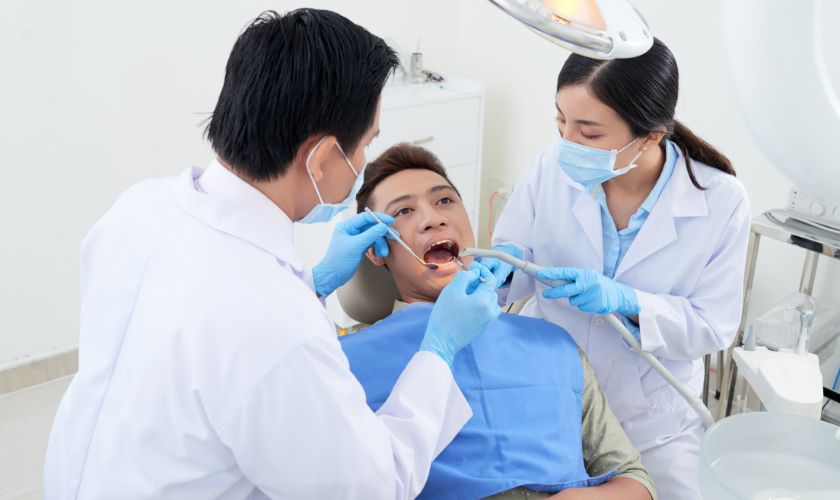
The importance of emergency dentistry cannot be overstated. From toothaches to broken crowns, there are many dental issues that can be addressed quickly and effectively by an experienced emergency dentist. In this article, we will provide you with an overview of what emergency dentistry is, the symptoms that require urgent attention, and the treatments available to help you feel better fast.
What is Emergency Dentistry?
Emergency dentistry is a branch of dental medicine that deals with the diagnosis and treatment of dental problems that require immediate attention. It is a specialized field that requires the dentist to have training in emergency care.
The most common type of emergency dental problem is toothache. A toothache can be caused by a number of things, including a cavity, an infection, or an injury. If you have a toothache, you should see a dentist as soon as possible. Other types of dental emergencies include cracked or chipped teeth, lost fillings, and objects caught between the teeth.
If you have a dental emergency, it is important to seek treatment as soon as possible. Delay in seeking treatment can lead to further damage to the teeth and gums and may even require more invasive and expensive treatment.
Who Needs Emergency Dentistry?
There are many people who may need an emergency dentist at some point in their lives. Some common reasons why people may need emergency dental care include:
Toothaches that are severe and cannot be managed at home
Knocked out teeth
Broken teeth
Abscessed teeth
Gum infections
What are Some Common Emergency Dental Procedures?
When you think about emergency dental procedures, you might picture a Hollywood movie where someone gets their tooth knocked out. While this is certainly one type of dental emergency, there are many others that are much more common. Here are some of the most common emergency dental procedures:
Toothaches: A toothache is often the first sign of a cavity or other dental problem. If you have a toothache, it’s important to see a dentist as soon as possible so they can determine the cause and recommend treatment.
Fillings: A filling is used to repair a tooth that has been damaged by decay. The dentist will remove the decayed portion of the tooth and then fill the empty space with filling material.
Extractions: An extraction is necessary when a tooth is too damaged to be saved. The dentist will numb the area around the tooth and then remove it using special instruments.
Root Canals: A root canal is usually necessary when a tooth has become infected. The dentist will clean out the infected tissue and then seal off the root canal to prevent further infection.
How to Prepare for an Emergency Dental Visit?
If you’re in pain and need to see a dentist right away, it’s important to be prepared for your emergency dental visit. Here are a few things you can do to make sure your visit goes as smoothly as possible:
1. Call the dentist’s office ahead of time and let them know you’re coming in for an emergency appointment. This way, they can be prepared to see you and get you the treatment you need as quickly as possible.
2. If you have insurance, be sure to bring your card with you so that the dentist can process your claim.
3. Be prepared to discuss your symptoms with the dentist so that they can determine the best course of treatment for you.
4. Be sure to follow any instructions the dentist gives you after your appointment, such as taking antibiotics or using special mouthwash. This will help ensure that your infection doesn’t come back and that your teeth stay healthy.
Tips for After an Emergency Dental Visit
If you’ve ever had a toothache, you know how important it is to see a dentist right away. But what if you can’t get to a dentist during normal business hours? That’s where emergency dentistry comes in. Emergency dentists are available 24 hours a day, 7 days a week, to help you with your dental needs.
Here are some tips for after an emergency dental visit:
- Take it easy for the rest of the day. You may be feeling some pain and discomfort after your emergency dental visit, so it’s important to take it easy and give yourself time to recover.
- Follow all of your dentist’s instructions. Your dentist will give you specific instructions on how to care for your teeth and gums after your emergency visit. Be sure to follow these instructions carefully to ensure a speedy recovery.
- Drink plenty of fluids. Drinking lots of water will help keep your mouth clean and promote healing. Avoid caffeinated and sugary beverages, as they can irritate your gums and teeth.
- Eat soft foods. Eating soft foods like soup, yogurt, and mashed potatoes will help reduce any pain or discomfort you’re feeling in your mouth. Avoid hard or crunchy foods that could aggravate your symptoms.
- Get plenty of rest. Getting a good night’s sleep will help your body heal from the dental procedure and reduce any pain or swelling you may be experiencing
Alternatives to Emergency Dentistry
There are a few alternatives to emergency dentistry. One option is to visit a walk-in clinic. These clinics are typically open during regular business hours and can see patients on a first-come, first-served basis. Another option is to call a dental hotline. These hotlines are staffed by dental professionals who can help you determine whether or not you need to see an emergency dentist.
In conclusion, emergency dentistry can be a lifeline in the event of a dental emergency. With an understanding of the types of emergencies that require immediate attention and how to access this care, you should be better prepared to handle any situation that arises. If you are ever in doubt over whether your issue is an emergency or not, it’s always best to contact your emergency dentist in Honolulu first for advice, as they will be able to provide further guidance on how best to proceed.
FAQs
What is emergency dentistry?
Emergency dentistry is the branch of dentistry that deals with the diagnosis and treatment of dental problems that require immediate care. This can include anything from a toothache to a broken tooth.
What should I do if I have a dental emergency?
If you have a dental emergency, the first thing you should do is contact your dentist. If they are not available, you can go to an emergency room or urgent care center.
What kind of treatment can I expect?
The type of treatment you receive will depend on the severity of your dental problem. For example, if you have a toothache, your dentist may prescribe pain medication or recommend home remedies such as rinsing with salt water. If you have a broken tooth, your dentist may need to perform a root canal or other procedures.
How much does emergency dentistry cost?
The cost of emergency dentistry will vary depending on the severity of your problem and the type of treatment required. However, many insurance plans cover at least some of the costs associated with emergency dental care.
Related Articles
[theme_related]
