info@kaizendentalhawaii.com


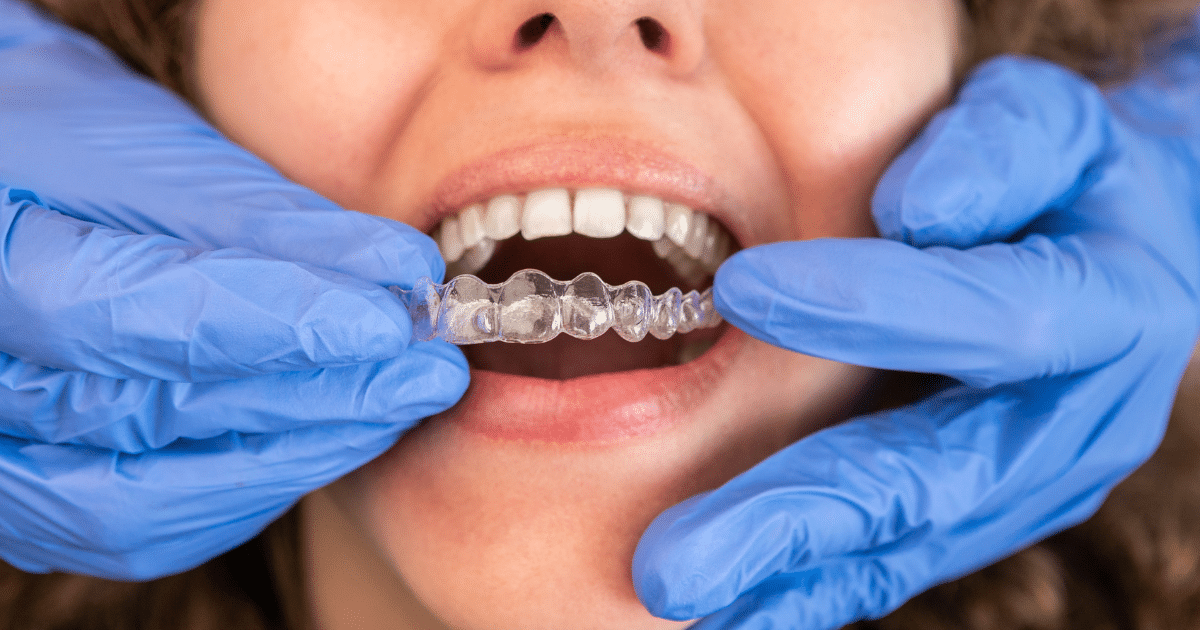
Invisalign has become a popular choice for people looking to straighten their teeth. Many individuals have gaps and overcrowding that can affect their confidence and oral health. If you’re wondering whether Invisalign for gaps and overcrowding can solve these issues, you’re not alone. This clear aligner system is designed to correct various types of misalignment, but how effective is it really? Let’s explore what Invisalign can do for you and whether it can address all your orthodontic needs.
How Invisalign Works?
Invisalign uses a series of custom-made, clear aligners to gradually move your teeth into the desired position. These aligners are made from a smooth plastic material that is comfortable to wear and virtually invisible. Here’s how it typically works:
- Consultation: Your journey starts with a visit to an orthodontist. They will assess your dental condition and determine if you’re a good candidate for Invisalign.
- Custom Aligners: Using 3D imaging technology, your orthodontist will create a personalized treatment plan. You’ll receive a series of aligners, each designed to make small adjustments to your teeth over time.
- Regular Changes: You’ll need to change aligners every one to two weeks. Each new aligner shifts your teeth closer to the desired position.
- Follow-Up Visits: Regular check-ups are essential to monitor your progress and make any necessary adjustments to your treatment plan.
Can Invisalign Correct Gaps and Overcrowding?
Effectiveness for Gaps
When it comes to gaps in teeth, Invisalign for gaps and overcrowding is quite effective. The aligners apply gentle pressure to close gaps and create a more even smile. Some common conditions that Invisalign can address include:
- Diastema: This is a gap between two teeth, often seen between the front teeth. Invisalign can effectively close these gaps.
- Spacing Issues: If your teeth are too far apart, the aligners can help bring them closer together, improving your overall smile.
Managing Overcrowding
Overcrowding occurs when there isn’t enough space in the mouth for all teeth to fit comfortably. This can lead to misalignment and other dental issues. Invisalign can also address overcrowding effectively by:
- Creating Space: The aligners can help create space between teeth by moving them into more optimal positions.
- Reducing Overlap: Invisalign can adjust teeth that overlap, straightening them for a healthier bite.
However, it’s essential to consult your orthodontist to determine if your specific case can be treated with Invisalign.
The Benefits of Choosing Invisalign
Invisalign offers several benefits that make it an appealing choice for many patients:
- Aesthetic Appeal: The clear aligners are virtually invisible, allowing you to smile with confidence during treatment.
- Comfort: Made from smooth plastic, the aligners are more comfortable than traditional metal braces.
- Removability: You can remove the aligners while eating, drinking, or brushing your teeth, making oral hygiene easier.
- Fewer Office Visits: Unlike traditional braces, you won’t need frequent adjustments, reducing the number of visits to the orthodontist.
Limitations of Invisalign
While Invisalign is a versatile orthodontic treatment option, it may not correct all types of misalignment. Traditional braces are often more effective for severe cases, such as significant overcrowding or bite issues. Additionally, patients with complex orthodontic problems, like pronounced overbites or underbites, may require more extensive treatment than Invisalign can provide.
Is Invisalign Right for You?
Ultimately, the decision to choose Invisalign for gaps and overcrowding depends on your specific dental needs. Here are a few considerations:
- Consult an Orthodontist: Always consult with a qualified orthodontist to evaluate your situation and explore your options.
- Assess Your Commitment: Invisalign requires discipline. You’ll need to wear the aligners for 20 to 22 hours a day for the best results.
- Consider Your Goals: Think about your long-term dental goals and how Invisalign fits into that picture.
Invisalign is an effective option for many individuals dealing with gaps and overcrowding. While it may not correct every type of misalignment, it can significantly improve your smile and oral health. With its comfort and aesthetic appeal, it has become a go-to choice for those seeking orthodontic treatment. If you’re considering this clear aligner system, talk to an orthodontist to see if it’s the right fit for your dental needs.
Related Articles
[theme_related]
