info@kaizendentalhawaii.com


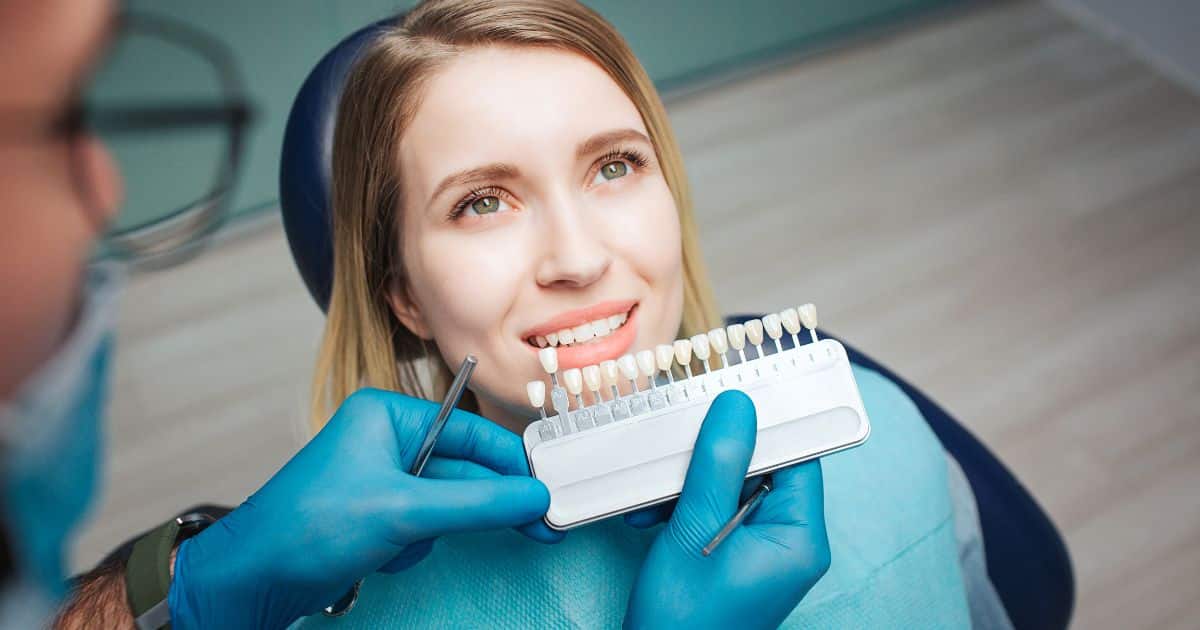
Are you self-conscious about your misaligned teeth but unsure about braces or aligners? Many people want a straight, beautiful smile but hesitate due to the long treatment time of orthodontic options. Dental veneers offer an appealing alternative for those looking to enhance their smile without traditional braces.
Veneers are thin shells made from porcelain or composite resin applied to the front surface of teeth. They are often used to improve cosmetic issues like discoloration or chipped teeth. However, a common question is whether veneers can also correct misaligned teeth.
This blog will explore whether dental veneers can effectively address misaligned teeth, their benefits, and limitations, and whether they might be the right solution for you.
What Are Dental Veneers?
Dental veneers are thin, custom-made shells designed to cover the front surface of teeth. They are crafted from either porcelain or composite resin and are bonded to the teeth to improve their appearance. Veneers are a popular cosmetic dental option because they offer a natural look while addressing various dental issues.
You can primarily use veneers to fix cosmetic imperfections, such as stained, chipped, or slightly misaligned teeth. They can also close small gaps between teeth or improve the shape of worn-down teeth. Veneers are an effective solution for individuals who want to enhance their smile without undergoing extensive dental treatments like braces or crowns.
There are two main types of veneers: porcelain veneers and composite resin veneers. Porcelain veneers are more durable and stain-resistant and can last up to 15 years with proper care.
However, they require more enamel removal and are more expensive. Composite resin veneers, on the other hand, are more affordable and involve less enamel removal but are less durable, lasting around 5 to 7 years. Both options offer cosmetic improvement, and the choice depends on individual needs and budget.
Types of Dental Misalignment
Dental misalignment occurs when teeth are not correctly aligned, leading to various functional and aesthetic issues. Several types of misalignment affect the appearance and health of your smile.
- Crowding: Crowding happens when there is not enough space in the mouth, causing teeth to overlap or twist. This makes cleaning difficult, increasing the risk of cavities and gum disease.
- Spacing (gaps): Gaps between teeth, especially the front teeth, can result from missing teeth or naturally small teeth. While some may find gaps charming, larger gaps can lead to food traps and gum issues.
- Crossbite: A crossbite occurs when the upper teeth fit inside the lower teeth when biting down. This can affect the health of your gums and jaw.
- Overbite/Underbite: An overbite is when the upper teeth significantly overlap the lower teeth, while an underbite is the opposite. Both can cause problems with chewing and speaking.
- Rotated or Twisted Teeth: Teeth that rotate or twist out of place can create an uneven appearance and increase the risk of plaque buildup.
Misaligned teeth can negatively impact oral hygiene, lead to tooth wear, and cause jaw strain, affecting both dental health and aesthetics.
Can Veneers Correct Misaligned Teeth?
Dental veneers can provide an excellent cosmetic solution for mild cases of misaligned teeth. However, it is important to understand the limitations and expectations of using veneers for misalignment.
Minor Misalignments: Veneers can be effective for individuals with minor alignment issues. Veneers can provide a visually straighter smile if your teeth are slightly crooked, have small gaps, or show slight rotation. By reshaping the outer surface of the teeth, veneers can create the illusion of aligned teeth without moving their actual position.
For instance, someone with minor crowding or small gaps between their teeth may be a perfect veneer candidate. The veneer will cover the front of the teeth, making them appear more uniform in shape and alignment. The results can be dramatic, giving the appearance of a perfect smile without needing orthodontic treatment.
Limitations for Severe Misalignment: While veneers can improve the appearance of minor alignment issues, they cannot correct severe dental misalignments. Veneers will not address the underlying structural issues if you have major crowding, significant gaps, or bite problems like a crossbite or overbite. These conditions often require orthodontic treatment, such as braces or aligners, to move the teeth into their correct position.
For example, if your teeth are severely crowded, placing veneers may only worsen the issue by making the teeth appear larger and potentially affecting your bite. In such cases, orthodontics must realign the teeth and ensure proper function. After aligning your teeth properly, you can still use veneers to enhance the final appearance.
Before and After Expectations: Patients considering veneers for mild misalignment should have realistic expectations. Veneers will provide a more aesthetically pleasing smile by covering imperfections, but they do not move the teeth. The procedure is purely cosmetic.
After receiving veneers, you can expect a more aligned and symmetrical appearance, but your bite and the underlying alignment issues will remain the same.
Additionally, veneers require permanent alterations to your natural teeth. A small amount of enamel is removed to make space for the veneer, which means that the process is irreversible. While the results can be long-lasting, it is essential to weigh the benefits and drawbacks before committing to veneers.
How to Know If You’re a Good Candidate for Veneers?
The best way to determine if veneers are right for you is to consult with a qualified dentist or cosmetic specialist. They will evaluate your teeth, oral health, and the severity of your misalignment.
Consultation with a Dentist: During your consultation, the dentist will take X-rays and impressions of your teeth to assess their condition. They will determine if veneers can improve your smile or if orthodontic treatment is necessary to correct the underlying issues. It is important to discuss your cosmetic goals and budget during this consultation to explore all available options.
Key Considerations: Your dentist will consider several factors before recommending veneers. These include:
- The degree of misalignment
- Your oral health (you must treat gum disease or tooth decay first)
- The durability and longevity you expect from the veneers
- Your budget, as veneers can be a costly investment
Veneers work best for patients who are primarily looking for cosmetic improvements to slightly misaligned or damaged teeth.
Dental veneers can provide a quick and effective cosmetic solution for minor misalignment issues, improving the appearance of crooked or spaced teeth. However, they cannot fix severe alignment problems, often requiring orthodontic treatment.
If you are considering veneers, it is important to consult with our dentists. We can help you understand your options and guide you toward the best treatment for your unique dental needs.
Related Articles
[theme_related]
