info@kaizendentalhawaii.com


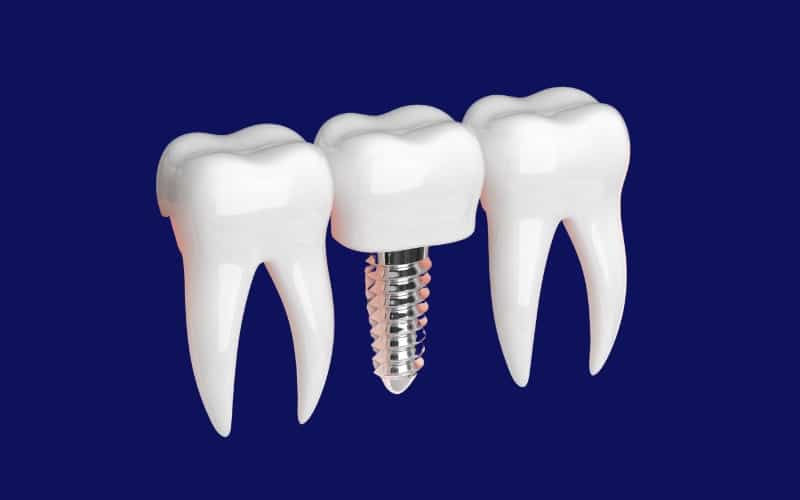
Dental implants are a marvel of modern dentistry, offering a permanent solution for missing teeth. But a question often arises: can it rust over time? Let’s dive deep into the world of implants and discover the truth.
What Are Dental Implants Made Of?
Implants are crafted from materials designed to last a lifetime. Here’s what you need to know:
- Titanium: Titanium is the most common material used for dental implants. This metal is biocompatible, meaning it is well-accepted by the body and bonds well with bone.
- Titanium Alloys: Some implants are made from titanium alloys, which combine titanium with other metals like aluminum or vanadium for added strength and durability.
- Zirconia: An alternative to metal implants, zirconia is a ceramic material known for its strength, durability, and aesthetic appeal.
These materials are chosen specifically for their ability to withstand the harsh environment of the mouth, which includes exposure to acids, bacteria, and constant moisture.
Can Dental Implants Rust?
The short answer is no; implants cannot rust. Here’s why:
- Corrosion Resistance: Titanium and zirconia are highly resistant to corrosion. Titanium naturally forms a protective oxide layer that prevents rust and degradation.
- Biocompatibility: These materials do not react adversely with bodily fluids or tissues, ensuring that they remain stable and intact over the years.
- Non-Iron Composition: Rust occurs with iron and steel when they oxidize. Titanium and zirconia do not contain iron, so they cannot rust in the traditional sense.
Ensuring the Longevity of Implants
While dental implants are designed to last, their longevity also depends on how well you care for them. Here are some tips to keep your implants in top shape:
Maintain Good Oral Hygiene
- Brush and Floss Regularly: Just like natural teeth, implants need to be brushed and flossed to remove plaque and prevent gum disease.
- Use Non-Abrasive Products: Choose toothpaste and mouthwash that are gentle on implants to avoid scratching or damaging them.
Regular Dental Check-Ups
- Professional Cleanings: Regular visits to the dentist in Honolulu HI, ensure that any potential issues with your implants are caught early.
- Monitoring Bone Health: Dentists can check for signs of bone loss around the implant, which can affect its stability.
Healthy Lifestyle Choices
- Avoid Smoking: Smoking can impede healing and increase the risk of implant failure.
- Balanced Diet: A diet rich in vitamins and minerals supports overall oral health and the longevity of your implants.
Common Myths About Implants
There are several misconceptions about dental implants. Let’s debunk some of them:
- Implants Require Special Care: While they do need regular maintenance, implant care is similar to that of natural teeth.
- Implants Are Noticeable: Implants are designed to blend seamlessly with your natural teeth, making them virtually undetectable.
- Implants Are Only for the Elderly: Implants can benefit people of all ages who have lost a tooth or teeth.
When to Consult Your Dentist
It’s essential to keep in touch with your dentist, especially if you notice any of the following:
- Discomfort or Pain: Any pain around the implant site should be evaluated by a dentist.
- Changes in Fit: If the implant feels loose or moves, it needs to be checked immediately.
- Gum Issues: Swelling, redness, or bleeding around the implant site can indicate gum disease or infection.
The Bottom Line
Dental implants are a reliable, long-term solution for missing teeth, designed to withstand the test of time without rusting. By maintaining good oral hygiene, visiting your Honolulu dentist regularly, and making healthy lifestyle choices, you can ensure your implants remain in excellent condition for years to come.
Related Articles
[theme_related]
