info@kaizendentalhawaii.com


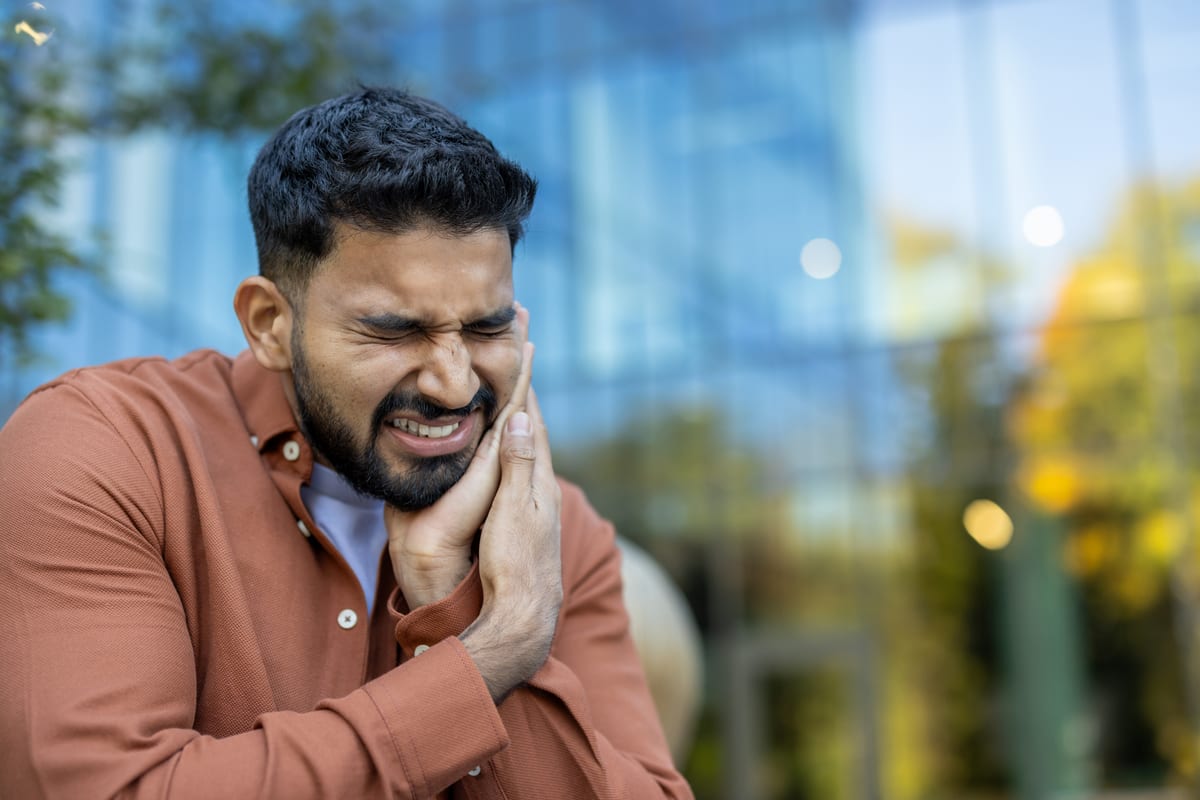
A broken tooth can happen anytime — biting into something hard, taking a fall, or even just waking up with a crack you never noticed. If you’re in Kaneohe and dealing with this right now, take a breath. This guide walks you through exactly what to do before you reach Dr. Eric Muraoka at Kaizen Dental Center. Think of it as your broken tooth survival guide for what to do right now in Kaneohe — step by step, no panic required.
Why a Broken Tooth Is Always a Dental Emergency
Many people assume a small chip isn’t a big deal. But every break — even a tiny one — exposes your tooth’s inner layers to bacteria. That exposure can lead to infection surprisingly fast.
Your enamel is the hardest substance in your body. Once it’s damaged, it cannot repair itself. The nerve inside the tooth becomes vulnerable to temperature, pressure, and bacteria the moment that protection is gone.
In Kaneohe’s warm, active lifestyle, it’s easy to put off a dental visit. But waiting too long can turn a simple fix into a much larger problem. Acting quickly protects both your tooth and your wallet in the long run.
Your Broken Tooth Survival Guide: First Steps Right Now in Kaneohe
The first 30 minutes after a break matter a lot. Follow these steps to protect your tooth before your appointment.
- Rinse gently with warm salt water. This cleans the area and reduces bacteria around the break.
- Save any broken pieces. Place them in a small container with milk or clean water and bring them to your appointment.
- Apply light pressure with gauze if there is any bleeding. Hold it gently for 10 minutes.
- Use dental wax or sugar-free gum to cover sharp edges temporarily. This protects your tongue and cheek from cuts.
- Take over-the-counter pain relief like ibuprofen if you are experiencing discomfort. Follow the label instructions carefully.
- Avoid eating on the affected side until you have been seen by a dentist.
These steps won’t fix the tooth. But they will reduce your pain and lower the risk of further damage before professional care begins.
What to Avoid After Breaking a Tooth
Knowing what NOT to do is just as important as knowing what to do. Some common reactions can actually make things worse.
Do not probe the broken area with your tongue or fingers. Touching the exposed surface introduces bacteria and can dislodge any remaining fragment holding the tooth together.
Avoid extremely hot or cold foods and beverages. The exposed dentin and possibly the nerve are now hypersensitive. Temperature changes can trigger intense pain and inflammation.
Do not try to glue a broken piece back yourself. Over-the-counter adhesives are not safe for oral use and can cause chemical burns or interfere with professional bonding later. Leave the repair work to Dr. Muraoka.
How Kaizen Dental Center Treats Broken Teeth
When you arrive at our Kaneohe office, Dr. Muraoka will assess the severity of the break with a clinical exam and digital X-rays. The treatment plan depends on how deep the damage goes.
Here is a general overview of what to expect based on the type of break:
- Minor chip or crack: Dental bonding or a small composite filling can restore shape and function in a single visit.
- Moderate break (no nerve involvement): A dental crown is often recommended to protect the remaining tooth structure fully.
- Break reaching the nerve: A root canal may be needed first to remove the infected or inflamed tissue, followed by a crown.
- Severe break or split tooth: In rare cases where the tooth cannot be saved, an extraction with a replacement option will be discussed.
Dr. Muraoka will always explain your options clearly before any procedure begins. You will never be rushed into a decision.
Restoring Your Smile After a Broken Tooth
Once the immediate emergency is handled, many patients want to know what their tooth will look like afterward. The good news is that modern dentistry offers excellent results.
Dental bonding, crowns, and veneers can all restore the appearance of a damaged tooth. For patients who want to go further and improve surrounding teeth at the same time, Cosmetic Dentistry services at our Kaneohe location offer a full range of aesthetic solutions.
We also serve patients across the island. If you are visiting from Honolulu or the surrounding area, our Cosmetic Dentistry team at our Honolulu location is ready to help you as well.
Restoring a tooth after a break is not just about function. It is about feeling confident in your smile again. Our team takes both seriously.
When to Seek Immediate Emergency Care
Most broken teeth can be treated during a scheduled same-day or next-day appointment. However, some situations require you to act even faster.
Seek care immediately if you experience any of the following:
- Severe, throbbing pain that does not respond to over-the-counter medication
- Visible swelling in your jaw, cheek, or gums near the break
- Fever or difficulty swallowing, which may indicate spreading infection
- A tooth that has been completely knocked out — time is critical in these cases
- Numbness around the broken tooth, which could signal nerve damage
If a tooth is knocked completely out, handle it by the crown only — never the root. Rinse it gently with water and try to place it back in the socket if possible. If that is not possible, store it in milk and get to our office right away.
Preventing Broken Teeth in the Future
Kaneohe residents love outdoor activities — from hiking Hoomaluhia to water sports along the Ko’olau coast. That active lifestyle is wonderful, but it also raises the risk of dental injuries.
Wearing a custom mouthguard during contact sports is one of the most effective ways to protect your teeth. A properly fitted guard from your dentist offers far more protection than a store-bought option.
Grinding your teeth at night is another major cause of cracking and chipping. If you wake up with jaw soreness or headaches, talk to Dr. Muraoka about a custom nightguard. Addressing grinding early prevents significant damage over time.
Avoiding habits like chewing ice, opening packages with your teeth, or biting your nails also makes a real difference. Your teeth are tools — but not those kinds of tools.
A broken tooth does not have to derail your day or your confidence. With the right steps taken immediately and prompt care from Dr. Eric Muraoka at Kaizen Dental Center, most broken teeth can be fully restored. Our Kaneohe team is here to guide you through every step — from that first moment of panic to your final, fully restored smile. Book Now to schedule your appointment with our team.
Frequently Asked Questions
Can a broken tooth heal on its own?
No. Unlike bone, tooth enamel cannot regenerate or self-repair. Once a tooth is cracked or chipped, it requires professional dental treatment to restore structure and prevent further damage or infection.
How long can I wait before seeing a dentist for a broken tooth?
You should contact your dentist as soon as possible — ideally within 24 hours. Even if you are not in severe pain, a crack can worsen quickly. Delaying treatment increases the risk of infection and may require more extensive procedures later.
Will a broken tooth always need a crown?
Not always. Minor chips may be repaired with dental bonding in a single short appointment. However, more significant breaks — especially those involving the inner layers of the tooth — often require a crown for proper protection and long-term durability.
What if my broken tooth doesn’t hurt?
A painless break can still cause serious problems. The absence of pain does not mean the tooth is undamaged. Some cracks cut off nerve sensation, which can actually indicate deeper damage. A dentist should still evaluate the tooth promptly.
Is a cracked tooth the same as a broken tooth?
They are related but different. A crack may not remove any tooth material, while a break or chip usually does. Both require professional attention. Cracks are sometimes harder to detect on X-rays, so a clinical exam by Dr. Muraoka is essential for an accurate diagnosis.
Related Articles
[theme_related]
