info@kaizendentalhawaii.com


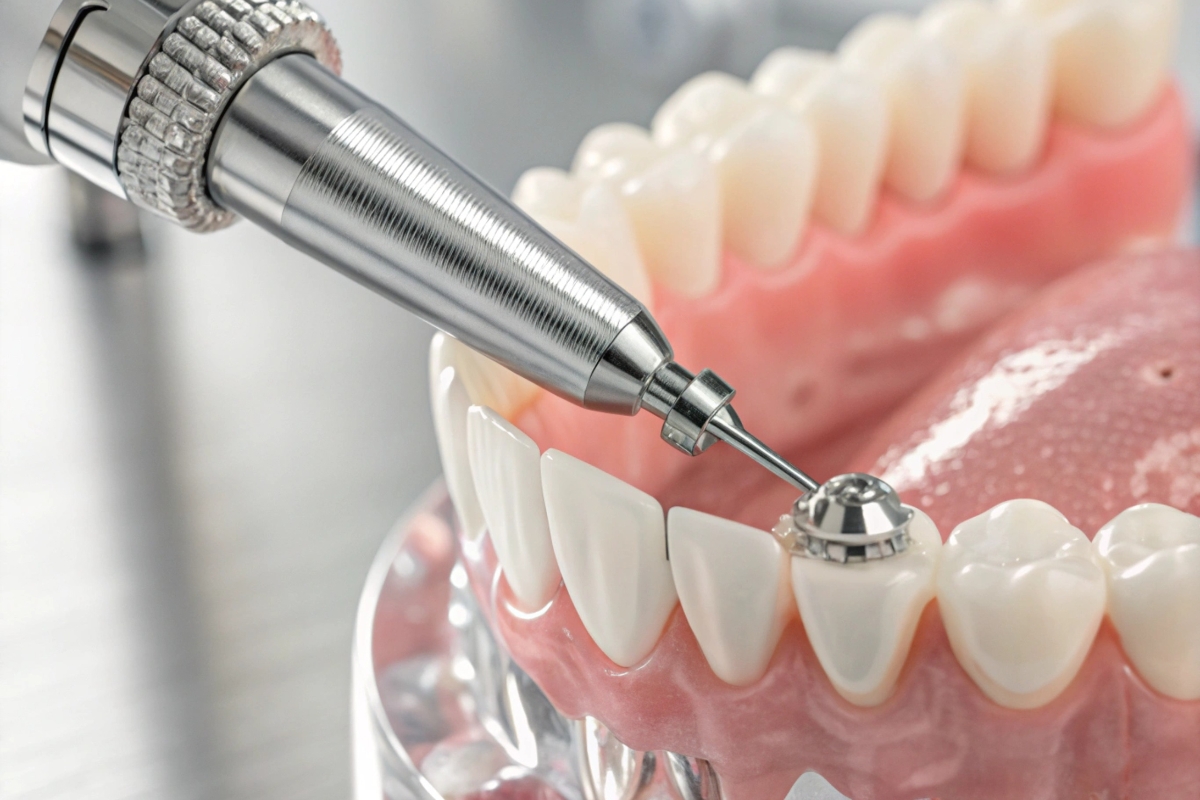
Dental implants are a life-changing option for the replacement of missing teeth. However, to be successful, they need sufficient healthy bone to support them. If there is not sufficient bone present, bone grafting must be performed.
This blog will discuss when bone grafting is necessary, the procedure, and the subsequent recovery process.
What is Bone Grafting for Dental Implants?
Bone grafting is an operation that is carried out to augment bone in an area where there is a defect. In implant dentistry, it gives a firm foundation for the implant. There are four main types of bone grafts:
Autografts: Bone taken from the patient’s own body.
Allografts: Bone taken from a donor.
Xenografts: Bone taken from animals.
Synthetic Bone Grafts: Man-made substances in a laboratory that mimic real bone.
Bone grafting is necessary when the jawbone has lost significant bone because of conditions such as tooth extraction or gum disease. If there isn’t sufficient bone, implants fail or cannot integrate.
When Is Bone Grafting Needed for Dental Implants?
Bone loss is not rare due to aging, gum disease, or tooth extraction. In these cases, the bone may be too thin or soft to support dental implants in Honolulu. Implants would not be stable and could fail without bone grafting. The following are the conditions under which bone grafting is typically recommended:
After tooth loss: The jawbone deteriorates in density without the stimulation of a tooth root.
Gum disease: Periodontal disease leads to bone loss, and grafting is required.
Aging: Bone mass naturally decreases over time.
Extensive bone resorption: Where bone loss is large, grafting replaces the structure for a secure implant.
There are different grafting procedures based on the amount and surface area of bone loss.
The Bone Grafting Procedure
Usually, bone grafting is initiated with a thorough consultation. During the procedure, the surgeon makes a small incision in the gum so that he can get to the bone. The graft material is inserted into the bone section, and the gums are sutured closed. The patient is numbed with a local anesthetic so the patient does not feel any sensations.
The operation takes one to two hours, depending on the complexity. If the bone loss is greater, a longer operation will be necessary. Instructions from the surgeon are to be followed after surgery for optimal recovery.
Recovery Following Bone Grafting
There is usually some pain and swelling for a few days after surgery. Discomfort is alleviated with ice packs and pain medication, as prescribed by the doctor. Recovery varies, but the bone usually takes 4-6 months to fully integrate with the graft.
Relaxation is recommended during this period to allow the body to heal itself. It is advised to eat soft foods in order not to ferment the graft location. Close follow-up is important to track the healing process and confirm a successful graft.
Bone grafting plays a crucial role in the success of dental implants in Honolulu. It will replace lost bone structure and provide a strong base for the implants. It is a long healing journey, but worth the effort in the end. If you are thinking about implants, visit a dentist to find out whether bone grafting will be in your future.
Contact us today for a consultation and to discuss the opportunity for implants and bone grafting.
Related Articles
[theme_related]
