info@kaizendentalhawaii.com


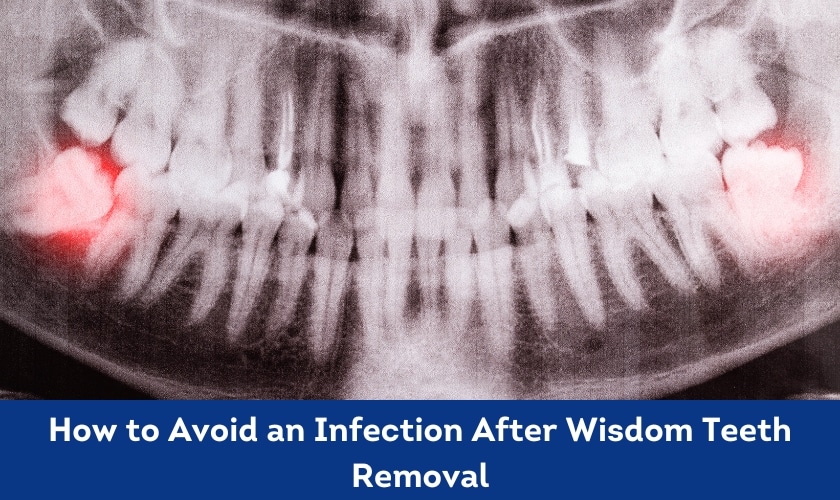
Many people in their late teens or early twenties commonly undergo wisdom teeth removal, a frequently performed dental procedure. While the surgery itself is relatively straightforward, it’s essential to take precautions to prevent complications such as infection during the recovery process. In this beginner’s guide, we’ll explore practical tips and strategies to minimize the risk of infection after wisdom teeth removal, ensuring a smooth and comfortable recovery.
What Are Wisdom Teeth
Wisdom teeth, commonly referred to as third molars, typically emerge last in the dental arch, often appearing between the ages of 17 and 25. Unfortunately, these latecomers often lack enough space to grow properly, leading to impaction, where they become trapped within the jawbone or gum tissue. This can cause various problems, including pain, swelling, infection, and damage to surrounding teeth.
Symptoms of Impacted Wisdom Teeth
- Pain in the jaw or gums: This can be constant or come and go and might worsen with chewing or pressure.
- Swelling in the cheek or jaw: This can make your face appear lopsided and is often accompanied by tenderness.
- Difficulty chewing or opening your mouth wide: The impaction can interfere with your ability to move your jaw properly.
- Redness or bad breath: These can be signs of inflammation or infection around the impacted tooth.
- Changes in the taste or sensation in your mouth: You may experience numbness or tingling around the impacted area.
Reasons to Have Your Wisdom Teeth Removed:
According to the American Association of Oral and Maxillofacial Surgeons, over 80% of wisdom teeth are impacted, requiring removal to prevent complications. Here are some additional reasons why your dentist might recommend wisdom tooth removal:
- To prevent infection: Impacted teeth are more susceptible to infection due to difficulty cleaning the area effectively.
- To relieve pain and discomfort: Impaction can cause significant pain and discomfort, impacting your daily life.
- To prevent damage to other teeth: Impacted teeth can crowd and damage surrounding teeth, requiring further dental work.
- To prevent cysts and tumors: In rare cases, impacted teeth can contribute to the formation of cysts or tumors within the jawbone.
Risks & Complications of Extraction
While wisdom teeth removal is a common procedure, some potential risks and complications are important to be aware of:
- Infection: This is a potential complication of any surgical procedure, although following your dentist’s post-operative instructions significantly reduces the risk.
- Bleeding: You might experience minor bleeding after surgery, which is usually manageable.
- Swelling: Facial swelling is common and typically peaks within 24-48 hours after surgery, gradually subsiding over the next few days.
- Pain: You can expect some pain after surgery, which can be managed with medication prescribed by your dentist.
- Dry socket: This painful condition occurs when a blood clot at the extraction site dislodges, delaying healing and exposing the bone and nerves.
- Damage to nerves: In rare cases, the nerves near the wisdom tooth can be damaged during surgery, causing temporary or permanent numbness, tingling, or weakness in the jaw or tongue.
Aftercare Advice: Dos and Don’ts:
Following your dentist’s post-operative instructions is crucial for a smooth recovery and reducing the risk of complications. Here are some key dos and don’ts:
Do:
- Apply ice packs to your cheeks for 20-minute intervals during the first 24-48 hours to reduce swelling.
- Start warm salt rinses 24 hours after surgery. Mix a teaspoon of table salt with warm water, gently swish for 30 seconds, and spit. Repeat several times a day.
- Take prescribed medications as directed by your dentist to manage pain and swelling.
- Eat soft foods at room temperature for the first few days after surgery. Gradually introduce harder foods as tolerated.
- Get adequate rest and avoid strenuous activity for at least 24–48 hours.
- Maintain good oral hygiene by gently brushing and flossing your teeth around the surgical site, avoiding the extraction site itself.
Don’t:
- Smoke or use tobacco products for at least two weeks after surgery, as they can impede healing and increase the risk of infection.
- Drink alcohol for the first 24 hours after surgery.
- Use a straw for the first few days to avoid dislodging the blood clot at the extraction site.
- Spit forcefully after rinsing your mouth; instead, gently let the solution drain out.
Pain Management Strategies:
Managing any discomfort after wisdom tooth removal is crucial for a comfortable and speedy recovery. Here are some effective strategies:
- Over-the-counter pain relievers: Your dentist will likely prescribe pain medication, but over-the-counter options like ibuprofen or acetaminophen can also be helpful, as long as you follow the recommended dosage and consult your dentist if you have any pre-existing medical conditions.
- Cold therapy: Applying ice packs to your cheek for 20-minute intervals throughout the first 24-48 hours can significantly reduce post-operative swelling and alleviate pain.
- Warm compresses: Once the swelling starts to subside, switching to warm compresses can help promote blood flow and ease discomfort.
- Elevation: Sleeping with your head elevated on two to three pillows can help reduce facial swelling and discomfort.
- Relaxation techniques: Techniques like deep breathing, meditation, and progressive muscle relaxation can help manage stress and anxiety, which can worsen pain perception.
Signs of Infection & When to See a Doctor:
While experiencing some discomfort after surgery is normal, certain signs might indicate an infection. If you experience any of the following, contact your dentist immediately:
- Increased pain and swelling that worsens instead of improving after a few days.
- Fever above 100.4°F (38°C)
- Severe throbbing pain in the extraction site
- Pus draining from the extraction site
- Difficulty swallowing or opening your mouth wide
- Persistent bad breath
Conclusion:
Wisdom teeth removal, while a common procedure, requires careful consideration and preparation. By understanding the reasons for wisdom removal, potential risks, and crucial postoperative care, you can significantly increase your chances of a smooth and successful recovery. Remember, following your dentist’s instructions diligently, practicing good oral hygiene, and seeking immediate medical attention if you suspect an infection are key to a comfortable and successful experience.
FAQs:
1. How long does it take to recover from wisdom teeth removal?
Recovery time varies based on individual factors and the complexity of the surgery. Typically, most patients experience significant improvement within 3-5 days, with complete healing taking 1-2 weeks.
2. Can I work or go to school after wisdom teeth removal?
It’s best to plan for at least 1–2 days of rest after surgery. Depending on your job and the severity of the procedure, you might need additional time off to recover comfortably. Discuss this with your dentist beforehand.
3. What can I eat after wisdom teeth removal?
Stick to soft foods like yogurt, applesauce, mashed potatoes, and soup for the first few days. Gradually introduce harder foods like pasta and cooked vegetables as your mouth feels comfortable.
4. Is it normal to have a bad taste in my mouth after surgery?
It’s common to experience a slightly unpleasant taste in your mouth for a few days after surgery due to swelling and drainage. If the taste persists or worsens, consult your dentist.
5. How can I prevent dry socket?
Following your dentist’s post-operative instructions, especially avoiding forceful spitting and using a straw, is the best way to prevent a dry socket. Additionally, maintaining good oral hygiene and avoiding smoking can further reduce the risk.
Related Articles
[theme_related]
