info@kaizendentalhawaii.com


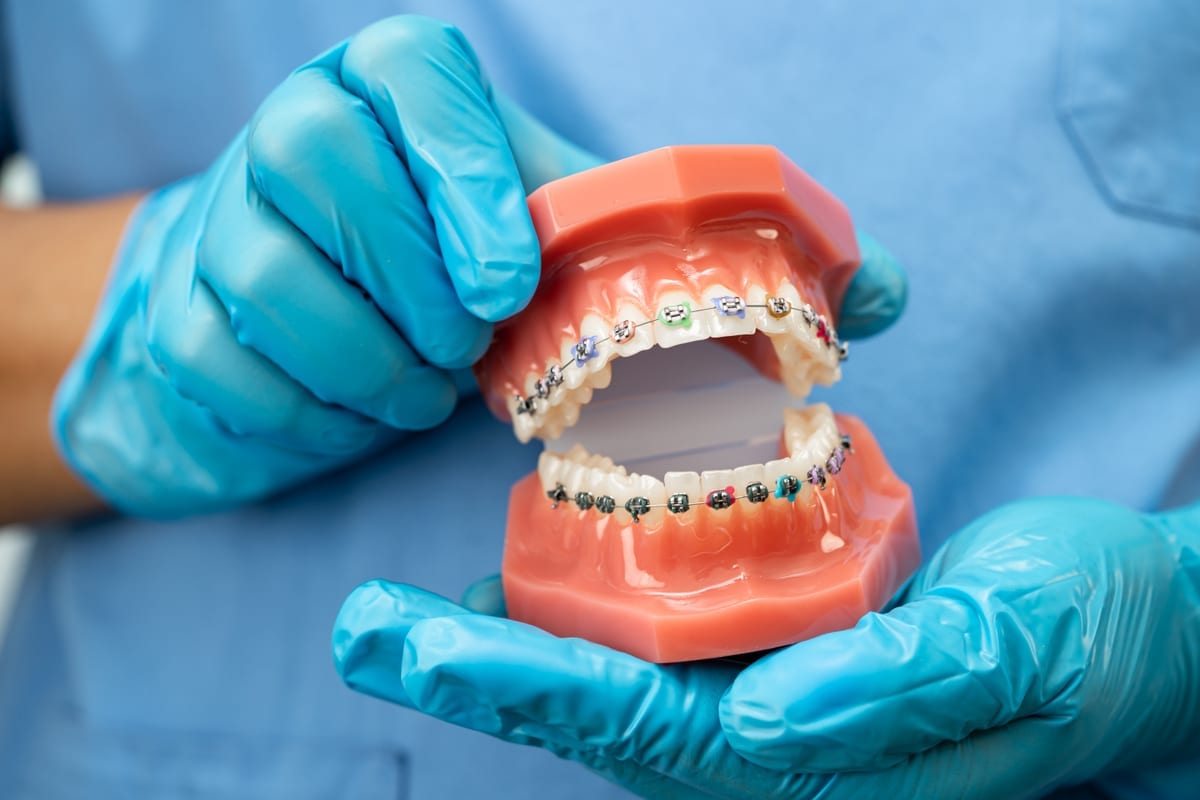
If you’ve been wondering whether braces are right for you, you’re not alone. Many patients in the Financial District area ask Dr. Eric Muraoka the same question. Is your smile ready for braces? What our orthodontic evaluation reveals in Financial District may surprise you. The process is more thorough — and more reassuring — than most people expect.
At Kaizen Dental Center – Downtown Honolulu, we believe every patient deserves a clear, personalized answer. Orthodontic treatment is not one-size-fits-all. Understanding who is a good candidate starts with a detailed evaluation. That conversation begins the moment you walk through our door.
What Is an Orthodontic Evaluation and Who Needs One?
An orthodontic evaluation is a comprehensive assessment of your teeth, jaw, and bite. It helps Dr. Muraoka determine whether braces — or another alignment solution — makes sense for you. This evaluation is not just for children or teenagers. Adults across the Financial District are discovering they are excellent candidates, too.
You may benefit from an evaluation if you notice crowding, spacing issues, or a misaligned bite. Difficulty chewing, jaw discomfort, or speech concerns can also signal alignment problems. Even patients who feel their smile looks fine sometimes discover hidden functional issues. Early detection almost always leads to simpler, more effective treatment.
We recommend an evaluation for any patient who has concerns about their smile’s alignment. There is no age minimum or maximum for orthodontic care. The right time to seek an evaluation is simply whenever you have questions. Our team is here to provide honest, educational guidance every step of the way.
What Dr. Muraoka Looks for During Your Orthodontic Consultation
The evaluation at Kaizen Dental Center follows a structured, multi-step process. Dr. Muraoka examines your teeth visually and uses digital X-rays to assess bone structure. He also evaluates how your upper and lower teeth meet when you bite down. These findings paint a complete picture of your orthodontic needs.
Here is what a typical orthodontic evaluation at our Financial District office includes:
- A full clinical examination of your teeth, gums, and jaw joints
- Digital X-rays to assess root positions and bone levels
- Bite analysis to identify overbite, underbite, or crossbite concerns
- Review of your dental and medical history for relevant factors
- A discussion of your smile goals and lifestyle preferences
- A personalized treatment recommendation based on your findings
Every step serves a purpose. Dr. Muraoka does not simply look at whether your teeth are straight. He evaluates the entire bite system to ensure any treatment plan supports long-term oral health. This thorough approach sets the foundation for lasting, beautiful results.
Key Factors That Determine Your Candidacy for Braces
Not everyone who wants braces is an ideal candidate right away. Several factors influence whether traditional braces are the best approach for you. Understanding these factors helps you set realistic expectations before treatment begins.
The most important candidacy factors include:
- Gum health: Healthy gums are essential before any orthodontic treatment starts
- Bone density: Adequate bone support allows teeth to move safely and predictably
- Age and growth: Growing patients and adults may require different treatment strategies
- Severity of misalignment: Mild, moderate, and severe cases call for different solutions
- Overall oral health: Untreated cavities or infections must be resolved first
- Patient commitment: Braces require consistent care and follow-up appointments
Some patients need preparatory care before braces can begin. This might include a professional Cosmetic Dentistry consultation to address existing concerns like discoloration or chipped teeth. Patients in the Financial District can also explore options available through our Cosmetic Dentistry services at our Kaneohe location. Comprehensive care always starts with a healthy baseline.
Dr. Muraoka will walk you through every finding from your evaluation. He explains why each factor matters and how it affects your treatment options. Patients leave the consultation with a clear understanding of their next steps. There are no surprises — just honest, thorough answers.
Braces vs. Alternative Orthodontic Treatments: What the Evaluation Reveals
One of the most valuable outcomes of your evaluation is discovering which treatment fits your needs best. Traditional metal braces are highly effective for complex alignment issues. However, they are not always the only option available to you. Dr. Muraoka discusses all suitable alternatives based on your specific evaluation results.
Clear aligners, for example, work well for mild to moderate misalignment. They offer a discreet, removable option that many adult patients prefer. However, they require strong patient discipline to be effective. Your evaluation helps determine whether your case aligns with aligner therapy requirements.
Some patients may benefit from retainers or limited orthodontic treatment for minor issues. Others may need a combination approach that phases treatment over time. The goal is always to match the right tool to your unique situation. A personalized plan leads to better outcomes and a smoother experience overall.
Patients in the Financial District area trust Dr. Muraoka because he prioritizes education over sales. He presents your options clearly and helps you weigh the pros and cons. The decision is always yours to make. His role is to ensure you make it with full, accurate information.
What Happens After Your Orthodontic Evaluation?
Once your evaluation is complete, Dr. Muraoka reviews his findings with you in detail. He explains what he found, why it matters, and what he recommends. You receive a personalized treatment plan that outlines the proposed approach and expected timeline. This plan is tailored specifically to your smile goals and oral health status.
If you are ready to move forward, the next steps are straightforward. Our team will walk you through what to expect at each stage of treatment. We also discuss how to care for your teeth throughout the orthodontic process. Good home care and regular dental cleanings support successful outcomes.
If you need additional care before starting orthodontics, we coordinate that seamlessly. Dr. Muraoka works with you to prioritize treatments in the right order. Patients never feel rushed or pressured at Kaizen Dental Center. Our team moves at a pace that feels comfortable and manageable for you.
Residents of Financial District and surrounding Honolulu neighborhoods have access to exceptional orthodontic guidance right downtown. Whether you are considering braces for yourself or a family member, the first step is an evaluation. That single appointment can change the way you think about your smile. Book Now to schedule your appointment with our team.
Frequently Asked Questions
At what age should someone get an orthodontic evaluation?
The American Association of Orthodontists recommends a first evaluation by age seven for children. However, adults of any age can benefit from an orthodontic evaluation. There is no upper age limit for braces or alignment treatment. Dr. Muraoka evaluates patients of all ages at our Financial District office.
Does an orthodontic evaluation hurt?
No, an orthodontic evaluation is completely painless. Dr. Muraoka performs a gentle visual exam and takes digital X-rays. There are no injections or uncomfortable procedures involved. Most patients find the appointment quick, comfortable, and informative.
How long does a braces evaluation appointment take?
A thorough orthodontic evaluation at Kaizen Dental Center typically takes 60 to 90 minutes. This includes the examination, X-rays, and a detailed discussion of findings. Dr. Muraoka takes time to answer all your questions. You will leave with a clear understanding of your orthodontic options.
Can I get braces if my gums are not healthy?
Gum health is a key factor in orthodontic candidacy. Active gum disease must be treated before braces can safely begin. Dr. Muraoka will assess your gum health during the evaluation and recommend any necessary preparatory care. Addressing gum issues first protects your results and your long-term oral health.
What is the difference between braces and clear aligners?
Braces use metal brackets and wires to move teeth gradually into alignment. Clear aligners are removable plastic trays that guide teeth into position over time. Braces are often better for complex cases, while aligners suit mild to moderate misalignment. Your evaluation results will help Dr. Muraoka recommend the most appropriate option for you.
Related Articles
[theme_related]
