info@kaizendentalhawaii.com


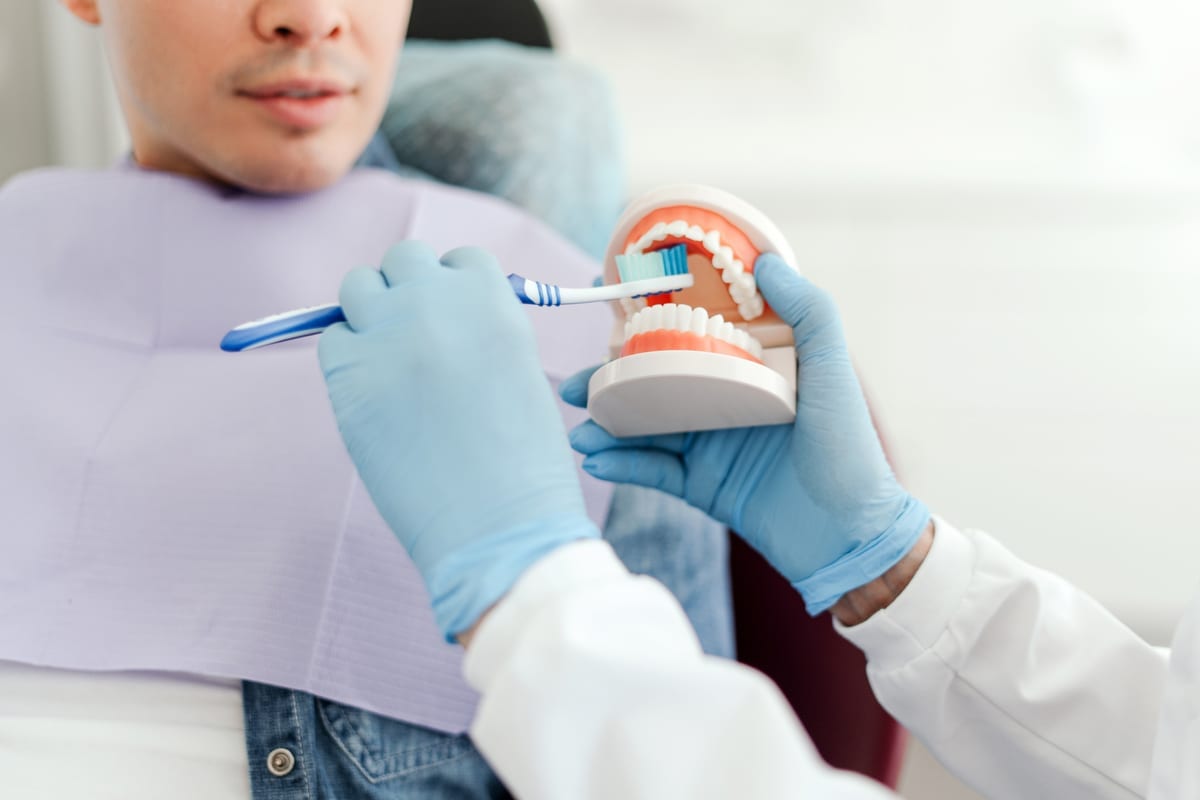
If your dentist has ever mentioned a deep cleaning, you may have wondered what that actually means. Understanding deep cleaning vs regular cleaning — and which your mouth really needs in Honolulu — can feel confusing at first. But the difference is clinically significant. At Kaizen Dental Center – Downtown Honolulu, Dr. Eric Muraoka helps patients understand exactly what their gums and teeth require for long-term health.
What Is a Regular Dental Cleaning?
A routine dental cleaning is also called a prophylaxis. It is designed for patients with generally healthy gums and minimal buildup. During this visit, a dental hygienist removes plaque and tartar from above the gumline. They also polish your teeth and check for early signs of decay.
Most adults benefit from a regular cleaning every six months. This helps prevent cavities and early-stage gum disease. It is a maintenance procedure, not a treatment for existing infection. Think of it as routine upkeep for a healthy mouth.
Regular cleanings also give your dental team a chance to catch small issues early. Catching problems before they worsen saves time and discomfort down the road. Dr. Muraoka and his team use every routine visit as a full oral health check-in.
What Is a Deep Cleaning and When Is It Necessary?
A deep cleaning — clinically called scaling and root planing — is a therapeutic procedure. It treats active gum disease, known as periodontitis. Unlike a regular cleaning, it reaches below the gumline to remove bacteria and buildup from the roots of your teeth.
Gum disease develops when plaque hardens into tartar and irritates gum tissue. Over time, the gums pull away from the teeth and form pockets. Bacteria collect in these pockets and cause inflammation and bone loss. A regular cleaning cannot reach these deeper areas.
Scaling removes tartar from below the gumline. Root planing smooths the root surfaces so bacteria have fewer places to attach. Together, these steps allow the gums to heal and reattach to the teeth. Dr. Muraoka typically performs this procedure in two appointments, treating one side of the mouth at a time.
Signs you may need a deep cleaning include:
- Bleeding gums when brushing or flossing
- Gums that look red, swollen, or receding
- Persistent bad breath that does not go away
- Teeth that feel loose or sensitive near the gumline
- Pockets deeper than 3–4 millimeters measured at your exam
Deep Cleaning vs Regular Cleaning: Key Differences Explained
The core difference comes down to purpose and depth. A regular cleaning maintains a healthy mouth. A deep cleaning treats an infected one. Both are essential — but they serve very different clinical goals.
Here is a side-by-side comparison to make it clearer:
- Regular Cleaning: Removes plaque and tartar above the gumline, takes about 45–60 minutes, recommended every six months
- Deep Cleaning: Removes bacteria and tartar below the gumline, often split into two visits, recommended when gum disease is present
- Regular Cleaning: No local anesthesia typically needed
- Deep Cleaning: Local anesthesia is often used for patient comfort
- Regular Cleaning: Preventive in nature
- Deep Cleaning: Therapeutic — treats existing infection
Your dentist determines which you need based on a periodontal evaluation. This includes measuring pocket depths, checking for bone loss on X-rays, and assessing gum tissue health. There is no guesswork involved — the clinical data guides the recommendation.
How Honolulu Patients Can Maintain Results After a Deep Cleaning
After a deep cleaning, your gum health does not manage itself. You will likely be placed on a periodontal maintenance schedule. This typically means cleanings every three to four months instead of every six. These follow-up visits monitor healing and prevent bacteria from returning.
At home, consistent brushing and flossing remain your most powerful tools. Use a soft-bristled toothbrush and gentle pressure. An antimicrobial mouthwash can also support gum healing between visits. Dr. Muraoka will give you personalized recommendations based on your specific situation.
Honolulu’s warm, humid climate can sometimes encourage bacterial growth in the mouth. Staying well-hydrated and maintaining consistent oral hygiene habits matter year-round here. Your lifestyle choices — including diet and hydration — directly affect how well your gums recover.
If you have also been thinking about your smile’s appearance, healthy gums are the foundation. Procedures like Cosmetic Dentistry work best when the gum tissue beneath them is stable and infection-free. And for patients across Oahu, Cosmetic Dentistry options are available at our Kaneohe location as well. Treating gum disease first protects your investment in any aesthetic work.
What to Expect at Your Cleaning Appointment in Honolulu
Whether you need a routine or deep cleaning, Dr. Muraoka’s team makes the experience as comfortable as possible. Every new patient begins with a comprehensive exam. This includes digital X-rays, a periodontal charting, and a full review of your dental and medical history.
If a deep cleaning is recommended, your hygienist will explain the process before beginning. Local anesthesia is offered to keep you comfortable throughout. Most patients experience little to no discomfort during or after the procedure. Mild sensitivity for a few days is normal and typically fades quickly.
For regular cleanings, the visit is straightforward. You will leave with freshly polished teeth and a clear picture of your oral health. Either way, you will walk out with honest, patient-centered guidance from Dr. Muraoka and his team.
Conclusion: Your Gum Health Is Worth Taking Seriously
Knowing the difference between a deep cleaning and a regular cleaning puts you in a better position to make informed decisions. Both procedures play an important role in protecting your oral health over time. Neither should be feared — both exist to help your mouth thrive. If you are unsure which cleaning type you need, a comprehensive exam with Dr. Eric Muraoka at Kaizen Dental Center – Downtown Honolulu will give you a clear answer. Book Now to schedule your appointment with our team.
Frequently Asked Questions
Is a deep cleaning painful?
Most patients tolerate deep cleaning well with local anesthesia. You may feel some pressure during the procedure, but sharp pain is uncommon. Mild gum soreness or sensitivity for a day or two afterward is normal. Over-the-counter pain relievers typically manage any post-treatment discomfort effectively.
How do I know if I need a deep cleaning or a regular cleaning?
Your dentist determines this through a periodontal exam. They measure the depth of the pockets around each tooth using a small probe. Pockets deeper than 4 millimeters, combined with signs of infection or bone loss, typically indicate a need for deep cleaning. A regular cleaning is appropriate when the gums are healthy and pockets are shallow.
Can gum disease come back after a deep cleaning?
Yes, gum disease can return if oral hygiene habits are not maintained. That is why follow-up periodontal maintenance appointments are essential. Regular monitoring helps catch early signs of recurrence before they progress. Consistent brushing, flossing, and professional cleanings every three to four months significantly reduce the risk.
How long does a deep cleaning take?
A deep cleaning is usually split into two appointments, each lasting about 60–90 minutes. One side of the mouth is treated per visit. This approach keeps each session manageable and allows the anesthesia to wear off on just one side at a time. Some patients with milder cases can be treated in a single longer appointment.
Does everyone need a deep cleaning eventually?
No — not everyone will develop gum disease that requires a deep cleaning. Patients who maintain consistent oral hygiene and attend regular checkups often keep their gums healthy throughout their lives. However, factors like genetics, smoking, diabetes, and poor oral hygiene increase the risk. Early detection through routine exams is the best way to avoid needing more intensive treatment.
Related Articles
[theme_related]
