info@kaizendentalhawaii.com


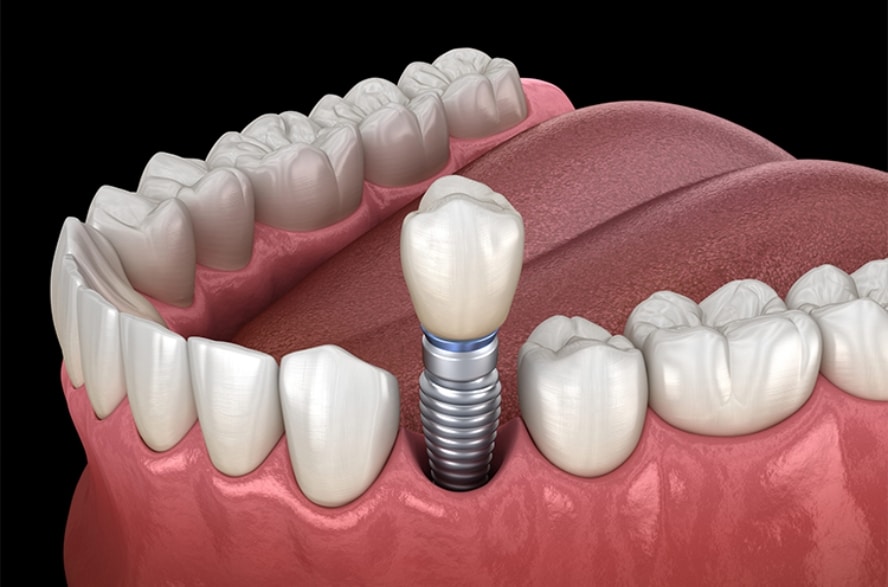
Dental implants are indeed a popular and effective solution to replace your missing teeth. They do boast a high success rate, but they might fail sometimes. However, various factors might be responsible for it. This oral appliance is, in general, reliable and highly durable. If you do suspect an issue, get yourself checked by a dentist.
Read this blog to learn how a dentist can help if you face complications after undergoing this dental procedure.
What Are The Signs of A Failed Dental Implant?
Recognizing the signs of failure can significantly affect your treatment outcomes. Here are the common symptoms:
- Persistent pain around your operation site could signal a potential problem.
- Are your gums red and tender? There is a chance that your implantation site is infected.
- Your implant post should feel stable. Any movement might be a cause for concern.
- If your receding gums expose the oral appliance inside your gums this might su7ggest gum tissue damage or severe bone loss.
- An unstable dental appliance might make it hard for you to chew food properly.
What Are The Common Causes of Dental Implant Failure?
Dental implants might not work for you for a variety of reasons. Some common causes include:
- Poor oral hygiene might cause bacterial infection around your gums and the bones surrounding the dental device.
- The titanium post of this device must properly fuse with your jawbone for it to work properly. Otherwise, it might become loose.
- You should avoid placing excessive pressure on the operation site right after placement. It can under the healing.
- Certain conditions like diabetes and osteoporosis or habits like smoking can impair your healing and increase the risk of failure.
How Will A Dentist Diagnose Your Implant Failure?
While evaluating the condition of your dental device, the dentist will use different tools for a comprehensive assessment:
- The dental professional will conduct an oral examination to assess the condition of your gums and surrounding tissues.
- They might use advanced technologies, such as digital X-rays and 3D imaging, to obtain a detailed view of your device’s position and potential bone loss.
- The dental professional might discuss your medical history to learn about your medications, overall health, and so on.
What Are The Treatment Options For A Failed Dental Implant?
The dentist will choose treatment based on how badly this dental procedure failed. Here are some options:
- If the dental device failed due to infection or swelling, the dentist might opt for simple treatments like antibiotics, deep cleaning and improve oral hygiene.
- For severe infection or failed osseointegration, the professional might completely remove the implant to allow the area to heal.
- Are you suffering from bone loss in your jaw? A bone graft procedure can help you rebuild your jawbone’s strength before you get new implants.
- The dentist might use gum grafting if you suffer from gum recession. This can repair your affected area to improve the dental device’s stability.
The failure of this particular dental device can be concerning. However, being aware of their available treatment options can help you stay calm during these situations. Act promptly and work closely with a qualified dentist to restore your oral functions and protect your teeth.
Are you feeling discomfort or severe pain after implantation? Schedule a consultation today!
Related Articles
[theme_related]
