info@kaizendentalhawaii.com


Dental implants are a popular and effective solution for replacing missing teeth. They offer a natural-looking, long-lasting alternative to bridges or dentures, restoring both function and confidence. However, like any medical procedure, dental implants come with potential risks and complications. If you’re considering dental implants in Honolulu, understanding these risk factors is crucial for making an informed decision.
This blog post dives deep into the world of dental implants, exploring the success rates and potential risk factors associated with this treatment. We’ll equip you with the knowledge you need to discuss your options with a qualified dentist and achieve a healthy, beautiful smile.
Benefits of Dental Implants in Honolulu
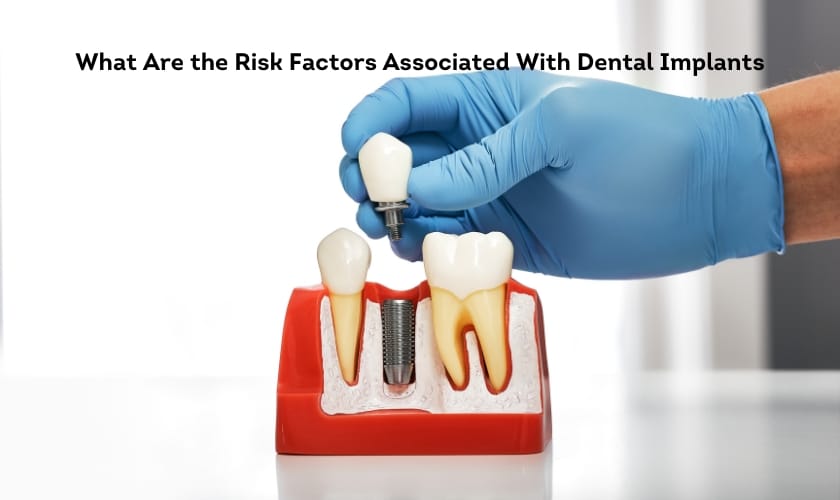
Dental implants are small, screw-like posts made of titanium that are surgically placed into the jawbone. Over time, the jawbone fuses with the implant in a process called osseointegration, creating a strong foundation for a replacement tooth. This replacement tooth can be a crown, bridge, or denture, depending on your specific needs.
Dental implants offer numerous advantages over traditional methods of replacing teeth:
- Enhanced Aesthetics: Implants provide a natural-looking replacement that blends seamlessly with your existing teeth.
- Improved Functionality: Implants restore full chewing ability, allowing you to enjoy a wider variety of foods with confidence.
- Durability: With proper care, implants can last a lifetime.
- Boosted Confidence: A complete smile can significantly improve your self-esteem and quality of life.
Success Rates of Dental Implants in Honolulu
Tooth replacement boasts a high success rate, with studies reporting a long-term survival rate of over 90%. However, it’s important to remember that individual results may vary. Several factors can influence the success of dental implants in Honolulu.
Risk Factors Associated with Dental Implants in Honolulu
While dental implants are generally safe, some risk factors can increase the chances of complications. Here’s a breakdown of the key factors to consider:
- Smoking: Smoking significantly hinders healing and reduces blood flow to the gums, both of which can negatively impact osseointegration. Studies show that smokers experience a higher rate of implant failure compared to non-smokers.
- Gum Disease: Uncontrolled gum disease, also known as periodontitis, can lead to bone loss, jeopardizing the implant’s stability. Maintaining good oral hygiene and addressing gum disease before implant surgery is crucial.
- Underlying Medical Conditions: Certain medical conditions, such as uncontrolled diabetes, osteoporosis, and autoimmune diseases, may increase the risk of infection and complications. Consulting with your physician before dental implant surgery is essential.
- Bone Quality and Quantity: The success of dental implants relies on sufficient healthy jawbone to support the implant. Bone loss due to missing teeth or other factors can necessitate additional procedures like bone grafting before implant placement.
- Surgical Factors: The skill and experience of the dentist performing the implant surgery play a significant role. Choosing a qualified and experienced dentist in Honolulu who specializes in dental implant procedures minimizes the risk of complications.
Minimizing Risks for a Successful Implant Journey
By understanding the risk factors and taking proactive steps, you can significantly increase the chances of a successful dental implant treatment:
- Quit Smoking: If you smoke, quitting several weeks before surgery is highly recommended to improve healing and osseointegration.
- Maintain Excellent Oral Hygiene: Meticulous brushing, flossing, and regular dental cleanings are essential for preventing gum disease and promoting oral health.
- Manage Underlying Conditions: Work with your physician to ensure any underlying medical conditions are well-controlled before surgery.
- Choose an Experienced Dentist: Seek out a qualified dental professional who specializes in dental implant procedures. Research their credentials, experience, and patient reviews.
- Ask Questions and Discuss Concerns: Open communication with your dentist is vital. Discuss your medical history, risk factors, and any concerns you may have before surgery.
While dental implants offer a durable and natural-looking solution, it’s essential to be aware of the associated risk factors. By understanding these risks and taking proactive measures to mitigate them, you can enjoy the benefits of dental implants for getting good oral health. Remember to consult with a qualified implant dentist to discuss your individual risk profile and ensure the best possible outcomes for your oral health.
FAQs
1: What are the common signs of implant failure?
Common signs of implant failure include pain, swelling, mobility of the implant, and discomfort while chewing. If you experience any of these symptoms, it’s important to consult your dentist promptly.
2: How can I reduce the risk of infection after dental implant surgery?
To reduce the risk of infection, it’s essential to follow your dentist’s post-operative instructions diligently. This includes practicing good oral hygiene, avoiding smoking, and attending all follow-up appointments.
3: Are there any age-related factors that increase the risk of implant failure?
While age itself is not a significant risk factor, certain systemic conditions, such as diabetes and osteoporosis, can affect the success of dental implants. It’s important to discuss any underlying health conditions with your dentist before undergoing implant surgery.
4: Can dental implant surgery damage adjacent teeth?
In rare cases, dental implant surgery may cause damage to adjacent teeth or surrounding structures. However, choosing a skilled and experienced implant dentist can help minimize this risk.
5: Is there a higher risk of complications with multiple dental implants?
The risk of complications with multiple dental implants is generally proportional to the number of implants placed. However, proper treatment planning and meticulous surgical technique can help mitigate these risks.
Related Articles
[theme_related]
