info@kaizendentalhawaii.com


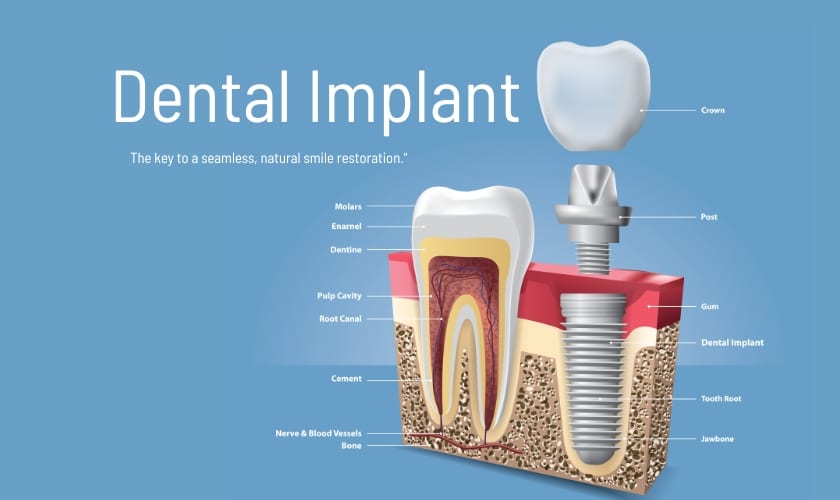
A dazzling smile with a full set of teeth is a confidence booster, but what happens if you’ve lost a tooth (or several) years ago? Fear not! Dental implants remain a viable option for replacing missing teeth, even if a significant amount of time has passed since the extraction.
Can You Get an Implant Years After Tooth Extraction?
According to the American Association of Oral and Maxillofacial Surgeons, roughly one in five adults in the US is missing at least one tooth. Dental implants in Honolulu offer a permanent and natural-looking solution for these individuals, restoring both aesthetics and full functionality.
The success of dental implants in Honolulu, HI, hinges on sufficient jawbone density. When a tooth is extracted, the jawbone beneath the socket begins to deteriorate over time. This is because the tooth root no longer stimulates the bone, leading to bone resorption. So, the longer you wait after extraction, the greater the potential for bone loss, which could impact your candidacy for implants.
However, advancements in dental technology have made it possible to address bone loss and pave the way for implant placement even years after an extraction. Let’s delve deeper into the factors at play and explore your options.
When is it Too Late to Get an Implant After Tooth Extraction?
While dental implants offer a fantastic solution for replacing missing teeth, there isn’t a definitive cut-off point for candidacy. The key determinant is the health and volume of your jawbone. A dentist in Honolulu, HI, will conduct a thorough examination and utilize X-rays or 3D scans to assess your jawbone density.
Here’s a general breakdown of scenarios:
- Ideal Timing: Ideally, placing a dental implant within a few months of extraction is recommended. This is because the jawbone is still relatively fresh and can readily integrate with the implant.
- Years After Extraction: Even if years have passed since your tooth extraction, all is not lost. If your jawbone has maintained sufficient density, implant placement can still be a viable option.
- Significant Bone Loss: In cases of severe bone resorption, additional procedures like bone grafting might be necessary to create a suitable foundation for the implant. Bone grafting involves transplanting bone tissue from another area of your jaw or a donor source to build up the deficient area.
How Long After a Tooth Extraction Can You Get an Implant?
There’s no one-size-fits-all answer to this question. The ideal timeframe for implant placement depends on several factors, including:
- Healing Time: The extraction site needs adequate time to heal completely before implant placement. This typically takes around 3–6 months, depending on the complexity of the extraction.
- Jawbone Health: As discussed earlier, the density and health of your jawbone are crucial factors. A dentist will assess your jawbone through X-rays or scans to determine if immediate implant placement is possible or if additional procedures like bone grafting are needed.
- Overall Oral Health: Your overall oral health plays a role. Gum disease or other oral health issues must be addressed before implant surgery.
Here’s a takeaway: While immediate placement is ideal in some cases, waiting for optimal jawbone health and complete healing is often the better course of action. Consulting with a dentist in Honolulu, HI, will give you a clearer picture of the ideal timeline for your specific situation.
Do Dental Implants Need To Be Placed At A Specific Time?
While there’s no strict deadline for implant placement, there are advantages to addressing missing teeth sooner rather than later. Here’s why:
- Preserves Jawbone Health: When a tooth is missing, the jawbone beneath the socket starts to deteriorate. Replacing the tooth with an implant helps stimulate the jawbone and prevent further resorption.
- Prevents Shifting Teeth: Missing teeth can cause surrounding teeth to shift out of place, leading to bite problems and misalignment. Implants prevent this shifting and maintain proper jaw alignment.
- Improved Aesthetics and Confidence: Missing teeth can impact your smile and self-confidence. Dental implants restore a complete and natural-looking smile, boosting your confidence.
- Oral Health Benefits: Gaps left by missing teeth can create pockets where food particles can accumulate, increasing the risk of gum disease and cavities. Implants eliminate these gaps, promoting better oral hygiene.
Benefits of Waiting for the Right Time to Get a Dental Implant
- Complete Healing: Allowing the extraction site to heal completely minimizes the risk of infection and ensures a stable foundation for the implant.
- Improved Bone Density: In some cases, waiting allows for natural bone regeneration in the extraction site, potentially reducing the need for bone grafting procedures.
- Clearer Treatment Plan: With time, the dentist can gain a clearer picture of your jawbone health and any potential complications that may arise during implant placement.
- Financial Considerations: Dental implants are an investment. Waiting allows you to plan your finances, explore different payment options offered by dentists or explore dental insurance coverage.
Missing teeth can take a toll on your smile, confidence, and oral health. But the good news is that dental implants offer a long-lasting and natural-looking solution, even years after tooth extraction. While the ideal timing for implant placement varies depending on individual circumstances, advancements in dental technology make it possible to achieve successful implant placement in most cases.
Consulting with a qualified dentist in Honolulu, HI, is the first step towards a renewed smile. They can assess your individual needs, determine the best course of action, and guide you through the implant process. Don’t hesitate to schedule an appointment and explore the possibilities of regaining a complete and healthy smile with dental implants.
FAQs
1. What are the signs that I might need a bone graft before getting dental implants?
f your jawbone feels sunken in the area of the missing tooth, or if you’ve been missing the tooth for a very long time, these could be signs of bone loss that might necessitate a bone graft before implant placement. A dentist will be able to confirm this through a thorough examination and X-rays.
2. How painful is dental implant surgery?
Dental implant surgery is typically performed under local anesthesia or sedation, minimizing discomfort during the procedure. You can expect some soreness and swelling after surgery, which can be managed with medication.
3. How long does the dental implant process take?
The entire dental implant process, from initial consultation to placement of the final crown, can take anywhere from 3–9 months, depending on your individual needs.
4. How long do dental implants last?
With proper care and maintenance, dental implants can last a lifetime. This makes them a worthwhile investment in your oral health and overall well-being.
5. How much do dental implants cost?
The cost of dental implants varies depending on the complexity of the case, the number of implants needed, and the geographical location. Consulting with a dentist in Honolulu, HI, will give you a personalized estimate for your specific needs
6. I’m nervous about dental implant surgery. What can I do?
Many people experience some anxiety before dental procedures. Discuss your concerns with your dentist. They can explain the procedure in detail, address your specific anxieties, and offer sedation options to help you feel more comfortable during surgery.
7. Should I Avoid Alcohol After a Tooth Extraction?
Yes, While you might crave a drink after a tooth extraction, it’s best to avoid alcohol for at least 7-10 days. Alcohol can hinder healing and increase the risk of a painful condition called dry socket. Stick to water and prioritize a smooth recovery!
Related Articles
[theme_related]
