info@kaizendentalhawaii.com


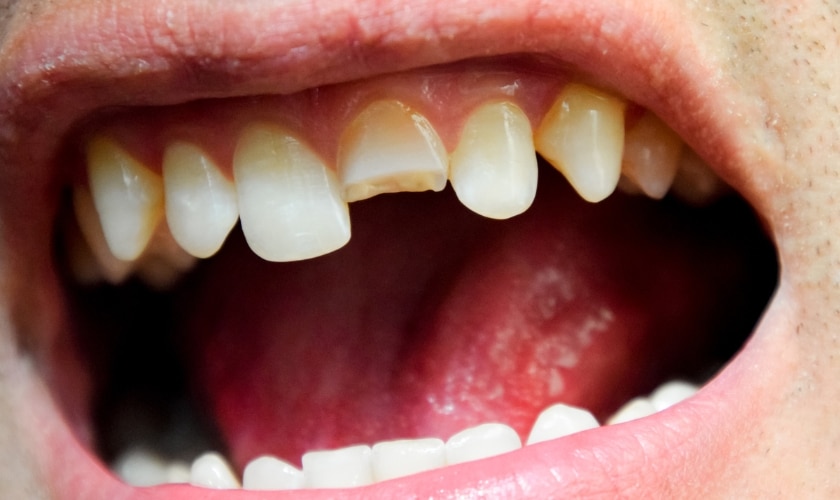
Let’s face it: a knock to the mouth can be a scary experience. But if you find yourself with a knocked-out tooth, staying calm and taking action quickly is key. The first hour after the injury is considered the “golden hour” for maximizing the chances of saving your tooth. This blog will guide you through the crucial steps to take in this situation. We’ll cover everything from finding the tooth to seeking professional help from a trusted emergency dentist in Honolulu, HI.
Possible Causes of Knocked-Out Tooth
A knocked-out tooth, also known as an avulsed tooth, can result from various causes, including:
Trauma: Accidents, falls, sports injuries, or physical altercations can lead to a tooth being knocked out.
Sports injuries: High-impact sports like football, hockey, basketball, and martial arts increase the risk of dental injuries, including avulsion.
Car accidents: The force exerted during a car crash can result in teeth being knocked out due to impact or sudden deceleration.
Slip and fall accidents: Falling on a hard surface can cause enough force to dislodge a tooth from its socket.
Physical altercations: Punches or blows to the face can cause dental trauma, leading to avulsion.
Biting down on a hard object: Biting down on a hard object like a piece of ice, a pen, or a popcorn kernel can sometimes cause a tooth to be knocked out.
Is A Knocked Out Tooth Considered A Dental Emergency?
Yes, a knocked-out tooth is considered a dental emergency. When a tooth is knocked out, it’s essential to act quickly to increase the chances of saving the tooth. The longer the tooth remains outside of the socket, the less likely it is to be successfully reimplanted.
What to Do in the Crucial First Hour?
Step 1: Locate the Tooth!
The first critical step is to find your tooth as quickly as possible. Every minute that passes decreases the chance of successful reimplantation. Scan the area carefully—look at the ground where the injury happened, check your hand or clothing for the tooth, and gently feel around inside your mouth with your tongue. If you wear dentures, remove them temporarily to aid your search.
Step 2: Assess the Damage – Handle with Care!
Once you locate the tooth, please pick it up immediately, holding it only by the crown (the white part you chew with). Avoid touching the root (the pointy tip) as much as possible. The root surface is delicate and contains vital cells that are crucial for the tooth’s survival. If you accidentally touch the root, rinse it briefly with milk or lukewarm water.
Step 3: Clean the Tooth (But Be Gentle!)
The tooth needs to be cleaned before attempting reimplantation, but be very gentle! Rinse the tooth with lukewarm water for a few seconds, swirling it carefully to remove any dirt or debris. Do not scrub the tooth or use any harsh chemicals like soap or mouthwash, as this can damage the delicate root surface.
Step 4: Reimplantation is Key! Act Quickly!
This is the most crucial step. Suppose you try to carefully reimplant the tooth back into its socket in the jawbone. Please don’t force it! If it doesn’t slide in easily, don’t try to push it. Instead, gently guide it into the socket in the correct orientation, using the surrounding teeth as a reference. Once positioned, hold the tooth gently in place by biting down on a clean cloth or tissue. Here are two ways to reimplant the tooth, depending on the situation:
- In Your Mouth: If you can tolerate it, hold the tooth gently in the socket by biting down on a gauze pad or tissue (placed over the tooth) to keep it stable. This is the preferred method.
- Milk Bath: If you’re unable to hold the tooth in your mouth comfortably, or if you’re a child, place the tooth in a container with milk (whole milk is best, but any type will do in a pinch). Saliva can also work as a temporary storage solution.
How Can an Emergency Dentist Help?
An emergency dentist in Honolulu, HI, will jump right into action to assess the situation and provide relief. Here’s what you can expect:
- Thorough Examination: They will meticulously examine your mouth, not just the injured tooth, to get a complete picture of the damage. This may involve checking for signs of infection, loose teeth, and any bite problems caused by the injury.
- X-ray Investigation: To see beneath the surface, they will likely take X-rays of the injured tooth and surrounding bone. This helps them identify any cracks, fractures, or damage to the tooth’s root that might not be visible during a visual exam.
- Splinting for Stability: If the tooth is loose but not severely damaged, the dentist might splint it to neighboring teeth. This temporary stabilization allows the bone and ligaments around the tooth to heal properly and helps prevent further movement.
- Root Canal for Pulp Issues: If the inner chamber of the tooth, called the pulp, is infected due to the injury, a root canal treatment might be necessary. This procedure removes the infected tissue, cleans the canals inside the tooth’s root, and seals it to prevent future infection.
- Surgical Reimplantation for Knockouts: In the unfortunate event of a completely knocked-out tooth, time is of the essence. If you can locate the tooth and keep it moist (ideally in milk), the dentist can reimplant it back into the socket surgically. This procedure involves carefully placing the tooth back in its socket and splinting it for stabilization to promote healing and reattachment.
Beyond the First Hour: Additional Tips and Considerations
The first hour is critical for saving a knocked-out tooth, but there are important steps to take beyond that initial time frame. Here are some details to keep in mind:
- Time is of the Essence: Remember, the sooner you act, the better the chance of successfully reimplanting the tooth. Every minute counts! Stay calm when searching the internet for answers. Get to an emergency dentist in Honolulu, HI, immediately.
- Stay Composed: It’s understandable to feel panicked in this situation. However, staying calm is essential for making clear decisions. Take a deep breath, focus on the task at hand, and act quickly.
- Water is Best: When cleaning the tooth, avoid harsh chemicals like bleach or soap. These can damage the tooth’s surface and compromise its viability. Instead, rinse the tooth gently with lukewarm water.
- Every Piece Matters: If you’re unable to locate the tooth, don’t give up hope. Even small fragments of the tooth can be valuable for the dentist. Bring any toothpicks you find with you to the emergency appointment. This could aid in potential treatment options.
Knocking out a tooth is a stressful experience, but by staying calm and taking immediate action, you can significantly increase the chances of saving your tooth. However, a healthy smile goes beyond emergencies. Just like any other part of your body, your teeth require consistent care to thrive. Remember, a beautiful smile is more than just aesthetics; it’s a window to your overall health. So, if you face a dental emergency like this, don’t hesitate to contact your advanced dentist in Honolulu, HI, and get prompt assistance.
Related Articles
[theme_related]
