info@kaizendentalhawaii.com


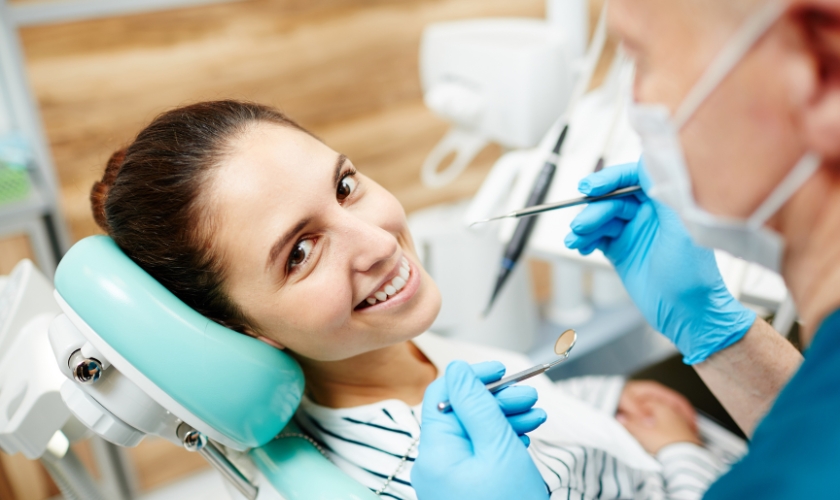
Optimal oral health plays a pivotal role in maintaining our holistic well-being. A healthy mouth not only allows us to eat, speak, and smile with confidence but also plays a significant role in preventing various health issues. This article will provide valuable insights and practical tips to enhance dental health, covering brushing techniques, flossing, toothpaste selection, diet choices, regular check-ups, and more.
Brushing Techniques
Choosing the Right Toothbrush:
Selecting the right toothbrush is the first step toward maintaining healthy teeth. Opt for a soft-bristle brush to prevent damage to your enamel and gums. Electric toothbrushes can also be effective in removing plaque. A Dentist in Honolulu would help guide you.
Proper Brushing Technique:
The way you brush matters. Hold your toothbrush at a 45-degree angle to your gums and use gentle, circular motions. Remember to brush your tongue and the roof of your mouth to eliminate bacteria and freshen your breath.
Recommended Brushing Time:
Brushing for at least two minutes twice a day is the gold standard. Use a timer or a toothbrush with a built-in timer to ensure you’re spending enough time on each brushing session.
Flossing and Interdental Cleaning
Importance of Flossing:
Incorporating flossing into your oral hygiene routine is vital because it eliminates food particles and plaque situated between your teeth and along the gumline. It prevents cavities and gum disease.
Types of Dental Floss:
An array of dental floss options exists, including waxed, unwaxed, flavored, and dental tape varieties. Choose the one that suits your preferences and effectively fits between your teeth.
How to Floss Effectively:
Gently slide the floss between your teeth and curve it against each tooth’s surface. Make sure to reach the gumline without causing any damage or bleeding. Perform this procedure for each of your teeth.
Other Interdental Cleaning Methods:
In addition to traditional flossing, consider using water flossers or interdental brushes to keep those hard-to-reach areas clean and healthy.
Choosing the Right Toothpaste
Understanding Different Toothpaste Options:
Toothpaste has various options, including fluoride, whitening, and natural alternatives. Choose a toothpaste that meets your specific dental needs and preferences.
Key Ingredients to Look For:
Look for toothpaste with fluoride, which helps strengthen your enamel and prevent tooth decay. If you have sensitive teeth, consider toothpaste designed for sensitive gums and teeth.
Considerations for Specific Dental Needs:
For individuals with unique dental concerns, like enamel protection, there are specialized toothpaste options available. Consult your dentist to find the best toothpaste for your situation.
Maintaining a Healthy Diet for Dental Health
Foods and Beverages That Support Dental Health:
Include calcium-rich items such as dairy products and leafy greens in your diet. Snack on crunchy fruits and vegetables, like apples and carrots, which can help clean your teeth naturally.
Dietary Items and Beverages to Restrict or Consume Sparingly:
Restrict your consumption of sugary and acidic foods and beverages, as they have the potential to erode your enamel and promote cavities. It’s essential to exercise moderation when enjoying these indulgences.
Importance of Balanced Nutrition for Overall Oral Health:
Your diet doesn’t just affect your teeth; it affects your entire oral health. Staying well-nourished ensures your gums and other oral tissues remain healthy and resistant to infection.
Regular Dental Check-ups and Cleanings
Importance of Regular Dental Visits:
Regular dental check-ups are vital for detecting and preventing dental issues early on. Dentists can catch problems like cavities, gum disease, and oral cancer in their early stages.
Recommended Frequency for Check-ups and Cleanings:
Most dentists recommend visiting them every six months for a thorough check-up and professional cleaning. However, consult your dentist for a personalized schedule based on your needs.
Common Procedures During a Dental Visit:
During your visit, your dentist may conduct a comprehensive examination, take X-rays, perform a professional cleaning, and offer guidance on your dental care routine.
Avoiding Bad Dental Habits
Harmful Habits to Avoid:
Certain habits, like nail biting, smoking, and teeth grinding, can harm your dental health. Kick these habits to the curb for your teeth and overall well-being.
Tips for Breaking Bad Habits:
Breaking bad habits can be challenging, but with determination and, if needed, professional help, you can overcome them and maintain a healthy smile.
Additional Tips for Optimal Dental Health
Using Mouthwash Effectively:
Integrating mouthwash into your oral care regimen can prove beneficial. Choose an alcohol-free mouthwash and use it as directed to freshen your breath and reduce bacteria.
Importance of Tongue Cleaning:
Remember to clean your tongue, as it can harbor bacteria that lead to bad breath. Use a tongue scraper or your toothbrush to keep it clean.
Wearing Mouthguards for Physical Activities:
If you’re engaged in sports or activities that could risk dental injury, consider wearing a mouthguard to protect your teeth and gums.
Tips for Maintaining Oral Hygiene When Traveling:
Don’t let your dental care slip when you’re on the road. Pack travel-sized dental supplies and maintain your routine, even when away from home.
Prioritizing your dental health is integral to your overall well-being. Adhering to these dental care tips ensures a radiant smile and contributes to a healthier life. Your oral health is within your control, so seize the opportunity to enhance your dental care regimen today. By doing so, you secure a beautiful and healthy smile for years to come, reaffirming that dental wellness plays a pivotal role in your overall health and quality of life.
Related Articles
[theme_related]
