info@kaizendentalhawaii.com


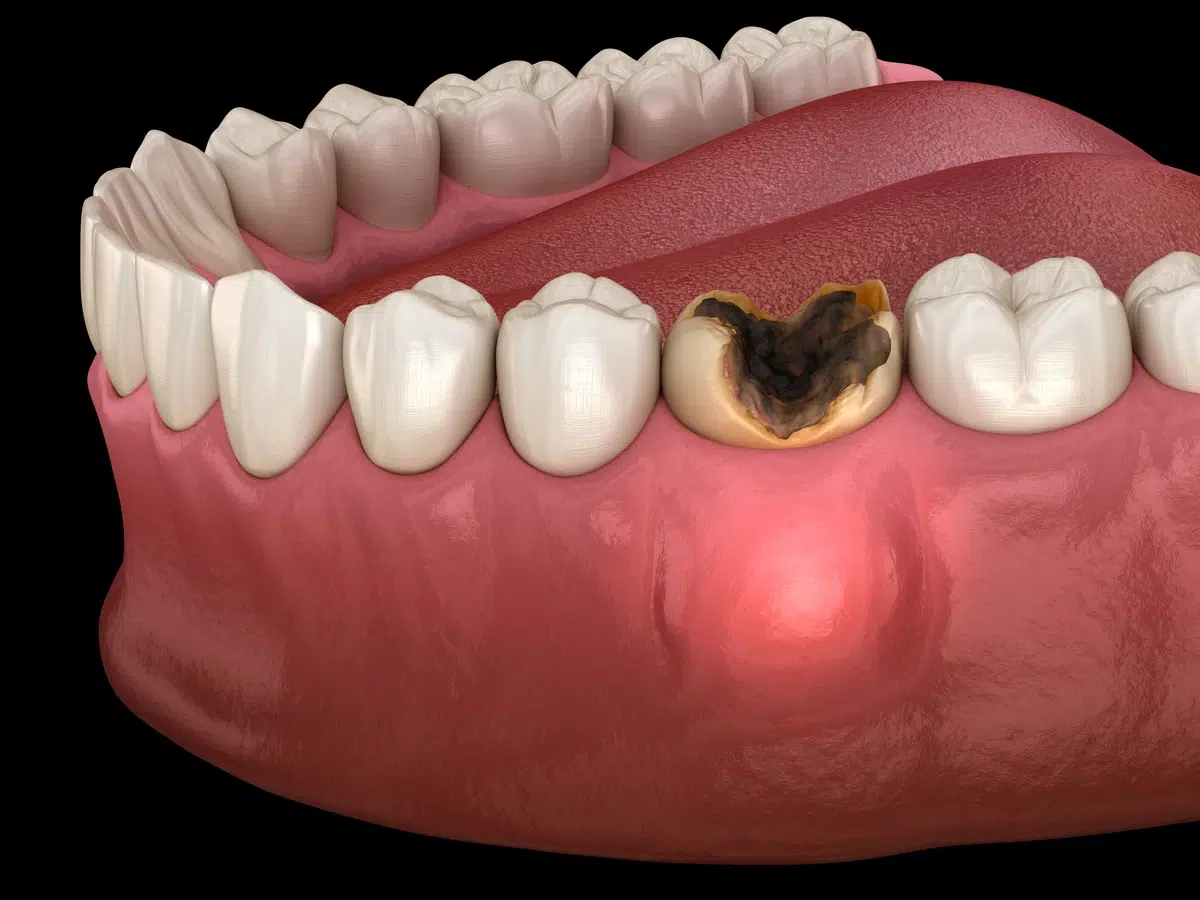
A tooth abscess is a serious dental condition that requires prompt attention. It occurs when a bacterial infection causes a collection of pus within the tooth or surrounding tissues. This article will discuss the signs of a tooth abscess and emphasize the importance of seeking urgent treatment to prevent complications and preserve oral health.
Understanding Tooth Abscess
A tooth abscess is typically the result of untreated dental decay, a cracked tooth, or gum disease. When bacteria invade the pulp of the tooth, an infection can develop. The body’s natural immune response triggers pus formation, which accumulates in a pocket or cavity within the tooth or adjacent tissues.
Recognizing The Signs
The following signs may indicate the presence of a tooth abscess:
Severe Toothache:
An intense, persistent, throbbing toothache is a common symptom. The pain may worsen when biting or applying pressure to the affected tooth.
Swelling:
The face, cheek, or lymph nodes may be swelling near the infected tooth. The area can feel tender and warm to the touch.
Sensitivity:
Increased sensitivity to hot or cold temperatures and sensitivity when consuming sweet foods or beverages may be experienced.
Bad Taste Or Odor:
A foul taste or odor in the mouth, often described as a metallic or unpleasant taste, can accompany a tooth abscess.
Fever And Malaise:
In some cases, the infection can lead to systemic symptoms such as fever, fatigue, or feeling unwell.
Seeking Urgent Treatment
Timely treatment is crucial when a tooth abscess is suspected. Ignoring the symptoms or delaying treatment can result in serious complications, including:
Spread Of Infection:
If left untreated, a tooth abscess can spread the infection to surrounding tissues, leading to cellulitis (a soft tissue infection) or a dental fistula (an opening that allows the pus to drain).
Dental Cyst Or Granuloma:
In some instances, a chronic abscess can result in the formation of a dental cyst or granuloma, which requires additional treatment.
Bone Loss And Tooth Loss:
Prolonged infection can cause damage to the supporting structures of the affected tooth, potentially leading to bone loss and tooth loss.
Treatment Options
To effectively treat a tooth abscess, it is essential to visit a dentist. The dentist may perform the following procedures:
Drainage:
The abscess may be drained by making a small incision to allow the pus to escape, providing relief and promoting healing.
Root Canal Therapy:
If the tooth can be saved, a root canal may be performed to remove the infected pulp and seal the tooth to prevent further infection.
Extraction:
In cases where the tooth cannot be saved, extraction may be necessary to eliminate the infection and prevent its spread.
Antibiotics:
Antibiotics may be prescribed to help control the infection and prevent its recurrence.
Recognizing the signs of a tooth abscess and seeking urgent treatment is vital for maintaining oral health. If you experience severe tooth pain, swelling, or any other symptoms associated with a tooth abscess, it is crucial to consult a quality dentist promptly. Early intervention can prevent complications, alleviate pain, and preserve natural teeth. Remember, a tooth abscess should never be ignored, as timely treatment is the key to a successful resolution and a healthy smile.
Related Articles
[theme_related]
