info@kaizendentalhawaii.com


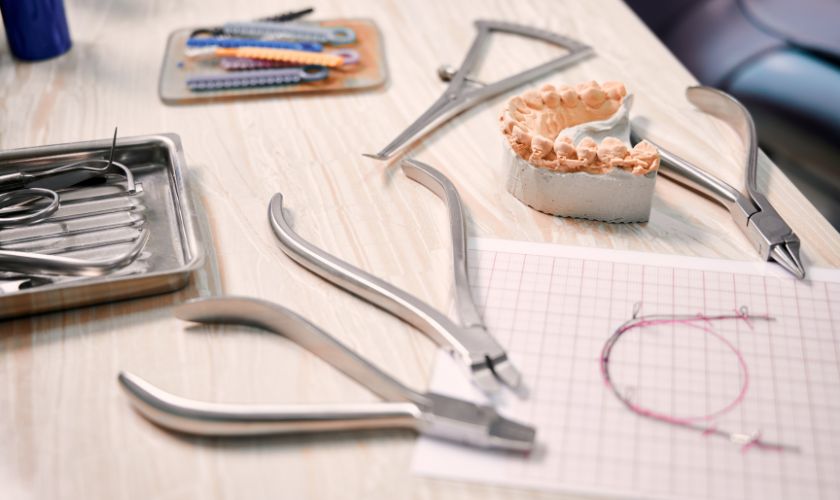
Are you one of those individuals who dread the thought of metal braces and laments that they would impact your appearance? Fear not! Orthodontics today boasts a diverse range of solutions to help straighten teeth, correct bite irregularities, and enhance oral function.
What are Orthodontic Appliances?
Orthodontic appliances are devices that are used to help align and straighten teeth. They are often used in conjunction with braces and can be removable or fixed.
Orthodontic appliances can be very effective in helping to align and improve the appearance of teeth. If you think you may benefit from orthodontic treatment, be sure to consult with an orthodontist to find out which type of appliance would be best for you.
9 Types of Orthodontic Appliances and their uses
There are many different types of orthodontic appliances, each with its own unique purpose. Here are 9 of the most common types:
1. Braces
It is the most common type of orthodontic appliance, Braces are used to correct a wide variety of dental problems.
2. Clear aligners
Clear aligners are a popular alternative to braces, that work by gradually shifting teeth into place.
3. Palatal expanders
Palatal expanders are used to widen the upper jaw, typically in kids and teens who have not yet reached their full adult size.
4. Headgear
Headgear is an appliance that is worn around the head and neck and helps to guide the growth of the jaw and facial bones. It is most commonly used in young patients who still have some growing to do.
5. Retainers
Retainers are appliances that help to keep teeth in their new, correct positions after treatment with braces or clear aligners. They come in both fixed (bonded) and removable varieties.
6. Space maintainers
Space maintainers are used when baby teeth fall out prematurely or there is a large space between adult teeth due to missing teeth. They help to keep the proper spacing between teeth so that permanent teeth can come in correctly when they eventually erupt.
7. Jaw repositioning appliances
These appliances are used to treat problems with the alignment of the jaw, such as overbite, under
8. Removable Appliances
Removable appliances are those that can be taken out by the patient, and they are used for a variety of purposes. They can be used to correct dental crowding, spacing, and bite problems. They can also be used as a retainer after braces are removed.
9. Fixed Appliances
There are several types of fixed appliances that can be used in orthodontic treatment, each with its own set of benefits and drawbacks. The most commonly used fixed appliances are braces, which are metal brackets that are glued to the teeth and connected with wires. Braces are very effective at correcting a wide range of dental problems, but they can be uncomfortable and take a long time to adjust to.
Advantages of Orthodontic Treatment
Improved Appearance: Orthodontic treatment can dramatically improve the appearance of your smile. If you are self-conscious about your teeth, braces or aligners can give you the confidence to show off your smile.
Better Oral Health: Orthodontic treatment can also improve your oral health by correcting alignment problems that can lead to tooth decay, gum disease, and other problems.
Correction of Functional Problems: Some types of orthodontic appliances can also help to correct functional problems with your bite or jaw alignment. This can improve your overall oral health and make it easier to chew and speak properly.
Disadvantages of Orthodontic Treatment
Cost: The most significant disadvantage is the cost. Orthodontic treatment can be expensive, and many insurance plans do not cover it.
Time-Consuming: Orthodontic treatment can be time-consuming, and the results are not always permanent.
Risk: There is also a risk of damage to the teeth and gums during treatment.
Conclusion
Orthodontic appliances are a great way to correct malocclusions and restore functionality in your bite. Whether your orthodontist recommends conventional braces or one of the many other types of corrective appliances, it can be helpful to understand what they are and how they work. With so many options available, you should be able to find an appliance that fits your needs and helps you achieve the smile you’ve been dreaming of!
FAQs
How do I know if I need to use an orthodontic appliance?
There are a few different ways to tell if you need to use an orthodontic appliance. One way is to simply look in the mirror and examine your teeth. If your teeth are crooked or misaligned, then you may need to use an appliance. Another way to tell if you need an appliance is by talking to your dentist or orthodontist. They will be able to assess your teeth and determine if you would benefit from using an appliance.
How long do I need to wear my orthodontic appliance?
The average orthodontic treatment takes about two years, although it can be shorter or longer depending on the individual case. Treatment time also varies depending on the type of appliance used. braces are generally worn for a year or two, while clear aligners are usually worn for six to 18 months. Headgear is typically worn for about four to eight hours a day.
Retainers are usually worn for several hours a day immediately after treatment and then reduced to only at night as prescribed by the orthodontist. It is important to wear retainers as directed because if they are not used correctly, teeth can move back to their original positions.
Are there any other things I should know about orthodontic appliances?
There are a few other things you should know about orthodontic appliances before getting started with treatment. First, you should know that orthodontic appliances can be made from a variety of materials, including metal, plastic, and ceramic. Each type of material has its own advantages and disadvantages, so be sure to discuss the options with your orthodontist before making a decision.
Second, you should be aware that wearing orthodontic appliances can take some getting used to. You may experience some discomfort when you first start wearing them, but this should gradually lessen as your mouth adjusts to the appliance’s presence. If you have any persistent pain or other problems, contact your orthodontist.
Finally, you should know that taking care of your orthodontic appliance and keeping it clean is important. Be sure to brush and floss around the appliance as directed by your orthodontist, and avoid eating hard or sticky foods that could damage it. With proper care, your appliance will help you achieve a straighter and healthier smile!
Related Articles
[theme_related]
